



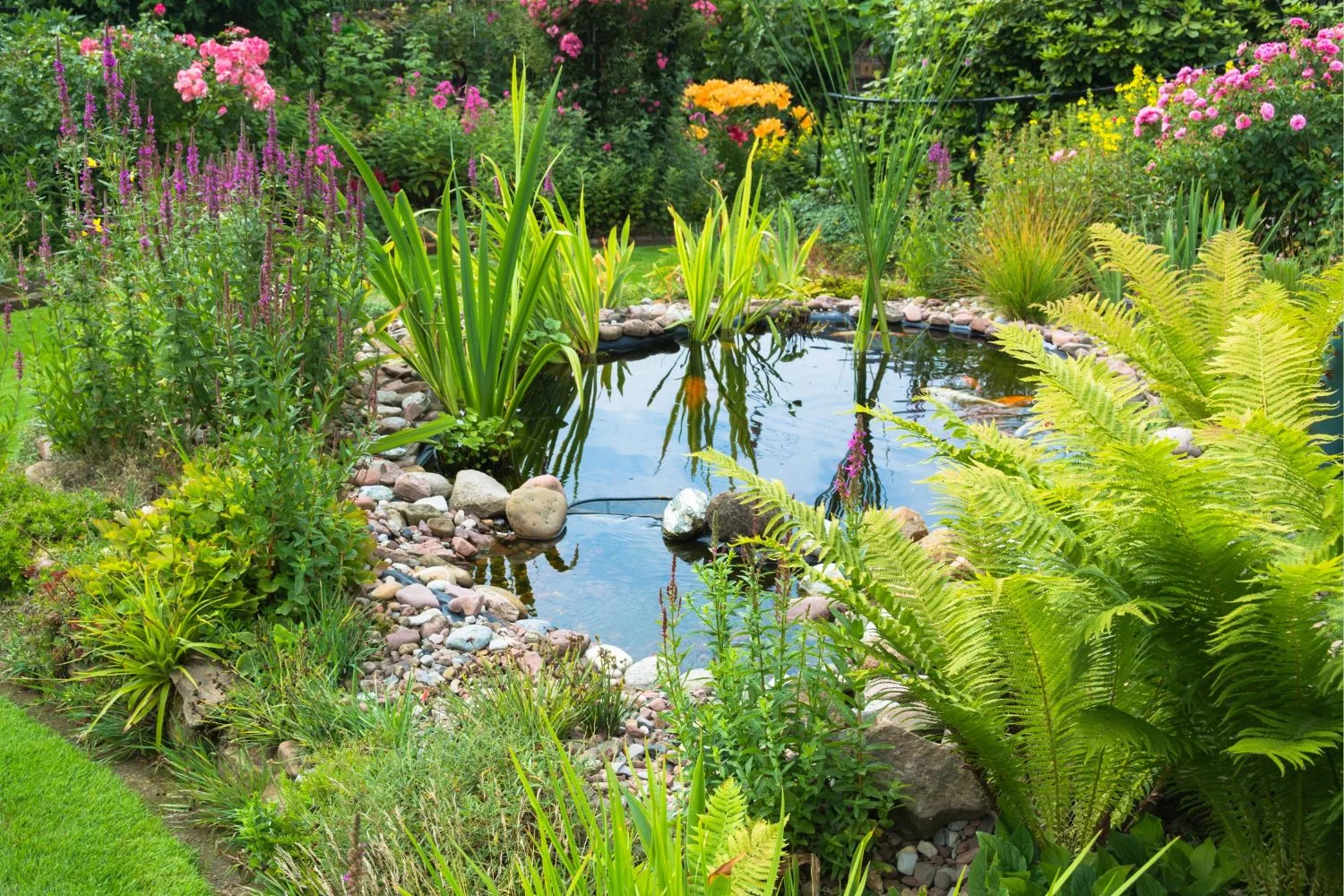
A pond can transform an ordinary garden into a peaceful and attractive outdoor retreat. The right plants not only enhance the beauty of your pond but also provide shade, support wildlife, improve water quality, and create a more balanced ecosystem. However, with so many aquatic plants available, choosing the best options for your garden can feel overwhelming.
If you’re wondering How to Choose the Right Pond Plants for Your Outdoor Space, it is important to consider factors such as your pond’s size, sunlight exposure, water depth, maintenance requirements, and overall garden design.
Consider Your Pond’s Size
The size of your pond should be one of the first things you consider when selecting plants. Large, fast-growing plants can quickly take over a small pond, while a few small plants may look out of place in a large water feature.
For smaller ponds, choose compact varieties that grow slowly and remain manageable. Larger ponds can accommodate a wider selection of plants, including floating plants, marginal plants, and deeper-water varieties.
Choosing plants that are appropriately sized for your pond will help maintain a neat appearance and prevent excessive plant growth.
Understand Different Types of Pond Plants
Before deciding on specific varieties, it helps to understand the main categories of aquatic plants.
Floating Plants
Floating plants remain on the surface of the water without being rooted in the pond floor. They can provide shade and help reduce excessive sunlight reaching the water, which may support better water conditions.
Examples include water lettuce and water hyacinth, although some floating plants can spread rapidly and may require regular maintenance.
Submerged Plants
Submerged plants grow mostly underwater and are valuable for supporting a healthy pond ecosystem. They can contribute oxygen to the water and provide shelter for aquatic organisms.
These plants are particularly useful when you want to create a more natural-looking pond environment.
Marginal Plants
Marginal plants grow around the edges of a pond, with their roots in shallow water while much of the plant remains above the surface. They are excellent for creating a natural transition between your pond and the surrounding garden.
Popular choices include water iris, pickerelweed, and cattails. When selecting marginal plants, consider their mature size and growth habits.
Water Lilies
Water lilies are among the most popular choices for ornamental ponds. Their large leaves and colorful flowers can become an attractive focal point while providing shade for aquatic life.
Make sure you choose a water lily variety that matches the depth and size of your pond.
Check the Amount of Sunlight
Sunlight plays an important role in plant growth. Some pond plants thrive in full sun, while others perform better in partial shade.
Observe your pond throughout the day to determine how much direct sunlight it receives. If your pond gets several hours of sunlight, you can select sun-loving varieties. For shaded ponds, look for plants that can tolerate lower light levels.
Understanding your pond’s lighting conditions is an important part of learning How to Choose the Right Pond Plants for Your Outdoor Space.
Think About Water Depth
Different aquatic plants require different planting depths. Some varieties grow comfortably in very shallow water, while others need several feet of water to thrive.
Check the recommended planting depth before purchasing any plant. Installing plants at the wrong depth can affect their growth and overall health.
If your pond has different depth levels, you can create an attractive layered design by placing marginal plants along the edges, submerged plants in deeper sections, and suitable floating plants on the surface.
Consider Maintenance Requirements
Not every pond owner wants to spend hours managing aquatic plants. Some varieties grow aggressively and require frequent trimming or removal, while others are relatively easy to maintain.
When choosing plants, consider how quickly they grow, whether they spread easily, and how much pruning they need. Avoid filling your entire pond with fast-growing varieties, especially if you have limited time for maintenance.
A balanced selection of low-maintenance plants can keep your pond attractive without creating unnecessary work.
Choose Plants That Complement Your Garden
Pond plants should work with the overall appearance of your outdoor space. Consider the colors, textures, and shapes already present in your garden.
For a natural landscape, native-looking plants and soft foliage can create a seamless appearance. If your garden has a more formal design, carefully positioned water lilies and neatly maintained marginal plants may be more suitable.
Think about how the pond will look throughout the year rather than focusing only on its appearance during the flowering season.
Consider Local Climate and Plant Hardiness
Your local climate can greatly influence which pond plants will thrive. Temperature, seasonal changes, rainfall, and winter conditions should all be considered before making your selection.
Whenever possible, choose plants that are well suited to your region. Native or climate-appropriate plants often require less attention and are more likely to establish successfully.
Research the hardiness and seasonal requirements of each plant before introducing it to your pond.
Avoid Overcrowding Your Pond
It can be tempting to fill a new pond with lots of beautiful plants, but overcrowding can create problems. Excessive plant growth can block sunlight, reduce open water, interfere with circulation, and make maintenance more difficult.
Start with a modest selection and allow plants time to establish. You can always add more plants later if your pond has enough space.
A thoughtful approach to How to Choose the Right Pond Plants for Your Outdoor Space can help you create a pond that looks attractive while remaining healthy and manageable.
Create a Balanced Planting Plan
The best pond designs usually include a combination of plant types rather than relying on one variety. Consider adding plants at different levels to create depth and visual interest.
For example, you might combine colorful water lilies with submerged plants and a few marginal varieties around the pond’s edge. This creates a layered appearance while supporting different aspects of the pond ecosystem.
Avoid planting too many varieties at once. A simple, well-planned selection can often produce a more attractive result than a crowded collection of plants.
Final Thoughts
Choosing pond plants is about more than simply selecting the most attractive flowers. You need to consider your pond’s size, depth, sunlight, climate, maintenance needs, and overall garden style.
By taking these factors into account, you can select plants that thrive in their environment and complement your outdoor space. With the right combination of floating, submerged, marginal, and flowering plants, your pond can become a beautiful and relaxing feature that you can enjoy throughout the seasons.
