



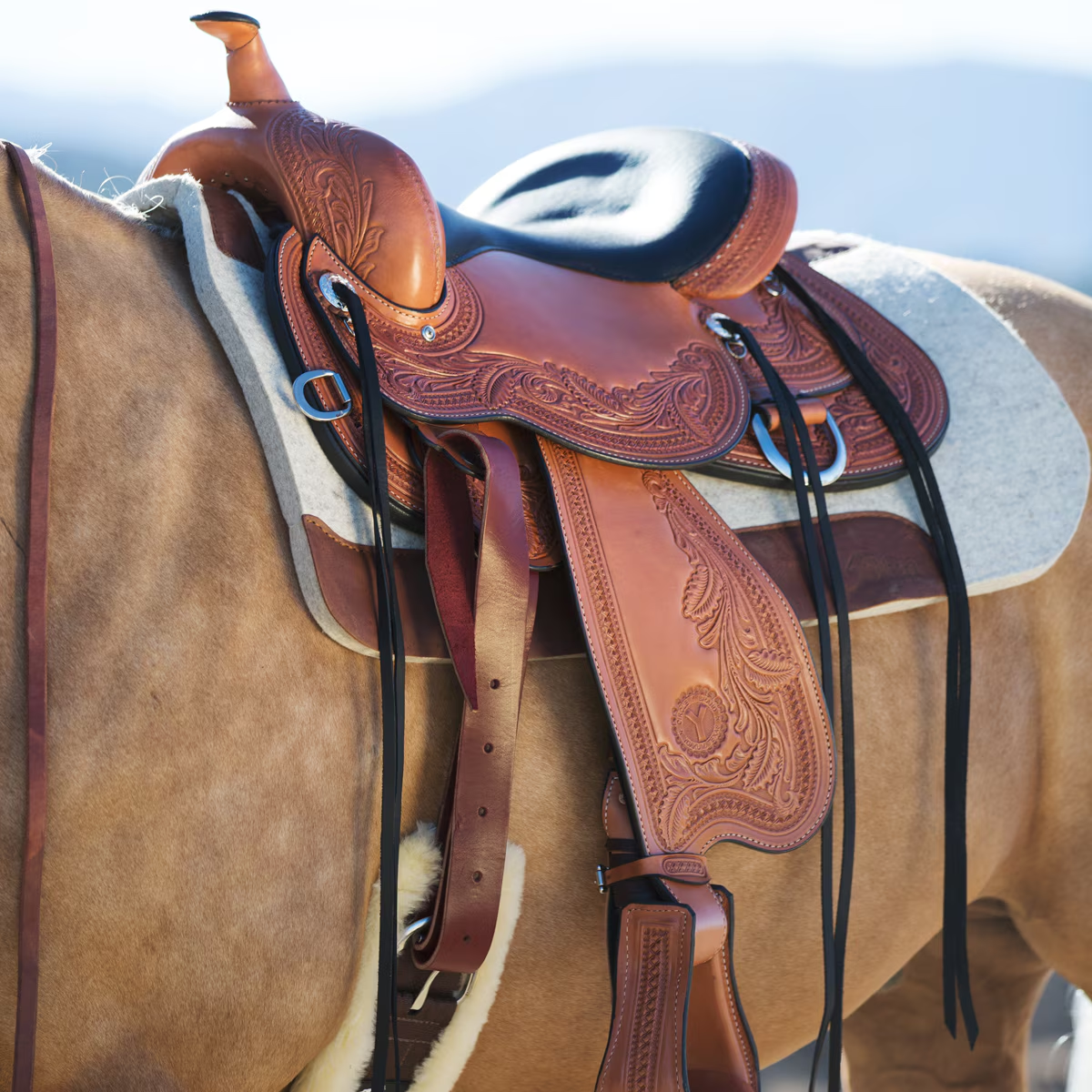
Choosing the right western saddle involves more than selecting a style that looks good. The saddle needs to suit the horse, fit the rider, and match the type of riding it will be used for. Factors such as tree width, seat size, rigging, skirt shape, weight, and overall construction can all affect comfort and performance.
Start With the Horse’s Fit
The first priority is making sure the saddle fits the horse correctly.
A saddle that does not fit well can create pressure points, restrict shoulder movement, or cause discomfort during longer rides. Since horses vary in back shape, wither height, shoulder width, and overall build, a saddle that works for one horse may not suit another.
Important areas to consider include:
- Tree width
- Bar angle
- Gullet clearance
- Skirt length
- Contact along the back
- Overall balance
When the saddle is placed on the horse, it should sit evenly rather than tipping forward or backward.
The saddle should also provide enough clearance around the withers without sitting excessively high. Riders who are uncertain about fit may want to work with an experienced saddle fitter.
Choose the Right Seat Size
Rider fit is just as important.
Western saddle seat sizes are measured differently from English saddles, so riders should avoid assuming that the same number will work across both styles.
The correct seat should allow the rider to sit comfortably without feeling cramped or sliding around excessively.
When seated, there should be enough room between the rider and the swell while still providing support from the cantle.
Body shape, riding style, and personal preference can all affect which seat feels best.
Trying several saddles in person can make it easier to compare how different seat shapes and sizes feel.
Match the Saddle to Your Riding Style
Western saddles are built for different types of riding.
A rider who spends hours on trails may have very different needs from someone who competes in roping, barrel racing, reining, or cutting.
Trail saddles often focus on comfort and practical attachment points for gear. Roping saddles are generally heavier and built with strong horns and sturdy trees. Barrel saddles are usually lighter and shaped to help riders remain secure through quick turns.
Ranch saddles are designed for long working days and varied tasks, while show saddles may include more decorative detailing.
If you participate in several activities, an all-around saddle may provide a practical balance.
Consider Saddle Weight
Weight can make a noticeable difference in day-to-day use.
Heavy saddles may provide solid construction for ranch or roping work, but they can also be more difficult to lift onto taller horses.
Lighter saddles may be easier to handle, especially for recreational riders or those who tack up frequently.
However, weight should not be considered in isolation.
The intended discipline, construction, materials, and durability all matter. A heavier saddle may be appropriate when strength is required, while a lighter option may be preferable for casual riding or trail use.
Inspect the Rigging Style
Rigging affects how the saddle is secured to the horse.
Western saddles may use different rigging positions and systems depending on their intended purpose.
Some saddles use full rigging, while others may use seven-eighths or three-quarter positions. The location can influence how the saddle sits and how pressure is distributed.
Riders should also check the quality of the rings, plates, latigos, and other attachment points.
A secure rigging system is essential, particularly for riding disciplines that involve sudden movement or demanding work.
Think About Skirt Shape and Length
Western saddles can have square, rounded, or other skirt shapes.
Skirt length becomes especially important for shorter-backed horses. A saddle with skirts that extend too far back may create pressure in areas where the horse needs freedom of movement.
Rounded skirts are often preferred for horses with shorter backs or riders who want a less bulky profile.
Larger skirts may provide a more traditional appearance and can suit horses with longer backs when properly fitted.
The goal is to select a skirt that complements the horse’s build rather than choosing based on appearance alone.
Look at Stirrup Position and Adjustment
The position of the stirrups affects rider balance.
Stirrups that hang too far forward or backward can make it difficult to maintain a comfortable seat.
Riders should sit in the saddle and check whether their legs fall naturally beneath them.
The stirrup leathers should also provide enough adjustment for the rider’s leg length.
This matters especially if more than one person will use the saddle.
Proper stirrup positioning can reduce fatigue during longer rides and help riders maintain a more stable posture.
Evaluate Leather and Construction Quality
Leather quality can influence durability, appearance, and maintenance requirements.
Look for clean stitching, secure hardware, even construction, and leather that feels appropriately finished for the saddle’s intended use.
Some riders prefer heavier leather for ranch work, while others may want a lighter saddle for recreational riding.
Decorative tooling and silver can add visual appeal, but they should not distract from construction quality.
The tree, rigging, seat, and overall balance are more important than ornamental details.
Consider Long-Term Use
A saddle can be a long-term purchase, so buyers should think beyond their current riding routine.
Consider whether your riding goals are likely to change. A rider starting with casual arena work may eventually spend more time trail riding or competing.
Choosing a saddle with some flexibility can be useful if you expect to participate in several disciplines.
Maintenance should also be considered. Leather saddles require regular cleaning and conditioning, along with proper storage away from excessive moisture and heat.
Taking care of the saddle can help preserve both appearance and function.
Choose Based on Fit Before Appearance
Color, tooling, silver, and design can make a saddle visually appealing, but fit should always come first. The right saddle should work for the horse’s conformation, provide the rider with a balanced seat, and suit the intended riding discipline. Riders comparing new saddle options can explore the available selection from Saddle Up Colorado to find styles designed for different horses, riders, and western riding activities.
