



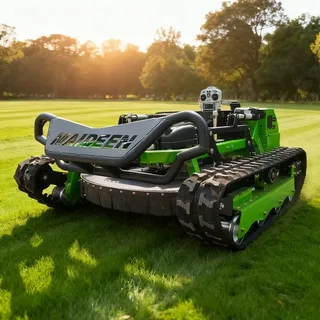
Modern homeowners are always looking for ways to simplify everyday tasks while maintaining a beautiful outdoor space. One of the most innovative solutions in lawn care today is Cordless Robot Lawn Mower Technology: Smarter Lawns with Less Effort. These intelligent machines are designed to automatically trim grass, reduce manual work, and keep lawns looking neat without constant supervision.
With advancements in automation and smart features, robotic lawn mowers are quickly becoming a must-have tool for efficient garden maintenance.
What Is a Cordless Robot Lawn Mower?
A cordless robot lawn mower is an automated device that cuts grass without the need for wires, manual pushing, or fuel. Using rechargeable batteries and smart sensors, these machines navigate across your lawn and maintain consistent grass height.
The concept behind Cordless Robot Lawn Mower Technology: Smarter Lawns with Less Effort is simple: let the machine do the mowing while you focus on other activities. Once programmed, the mower can operate independently, returning to its charging station when the battery is low.
Key Features of Modern Robot Lawn Mowers
Smart Navigation Systems
Modern robotic mowers are equipped with advanced navigation technology. Sensors detect obstacles such as trees, garden furniture, and pathways, allowing the mower to move safely and efficiently around the yard.
Rechargeable Battery Power
Cordless design means no tangled wires or fuel requirements. Most models run on long-lasting lithium-ion batteries that recharge automatically when needed.
Custom Scheduling
With programmable settings or mobile apps, users can schedule mowing times based on their preferences. This feature ensures the lawn stays perfectly trimmed without manual effort.
Quiet Operation
Unlike traditional gas mowers, robotic lawn mowers operate quietly, making them ideal for residential areas where noise can be a concern.
These innovations highlight why Cordless Robot Lawn Mower Technology: Smarter Lawns with Less Effort is transforming how people maintain their gardens.
Benefits of Using a Cordless Robot Lawn Mower
Saves Time and Effort
One of the biggest advantages is automation. Homeowners no longer need to spend hours mowing the lawn, as the robot handles the job independently.
Consistent Lawn Appearance
Frequent automatic trimming keeps grass evenly cut, which improves the overall appearance and health of the lawn.
Eco-Friendly Operation
Battery-powered robotic mowers produce zero emissions, making them a greener alternative to traditional gas-powered lawn equipment.
Low Maintenance
These machines require minimal upkeep. Regular blade checks and occasional cleaning are usually enough to keep them running smoothly.
Thanks to these benefits, Cordless Robot Lawn Mower Technology: Smarter Lawns with Less Effort is becoming increasingly popular among modern homeowners.
Tips for Choosing the Right Robot Lawn Mower
When selecting a cordless robot mower, consider the following factors:
- Lawn size compatibility – Ensure the mower is suitable for your yard area.
- Battery life – Longer battery life means fewer charging interruptions.
- Smart connectivity – App control and smart home integration can improve convenience.
- Safety features – Look for lift sensors, obstacle detection, and automatic shut-off.
Choosing the right model ensures optimal performance and long-term satisfaction.
The Future of Lawn Care
As smart home technology continues to evolve, robotic lawn mowers will likely become even more advanced. Features like GPS mapping, AI navigation, and improved battery efficiency will further enhance automation and ease of use.
For homeowners seeking convenience and efficiency, Cordless Robot Lawn Mower Technology: Smarter Lawns with Less Effort represents the future of garden maintenance.
Conclusion
Maintaining a beautiful lawn no longer requires hours of manual labor. With smart sensors, automatic scheduling, and eco-friendly operation, robotic mowers provide a practical solution for modern households.
