



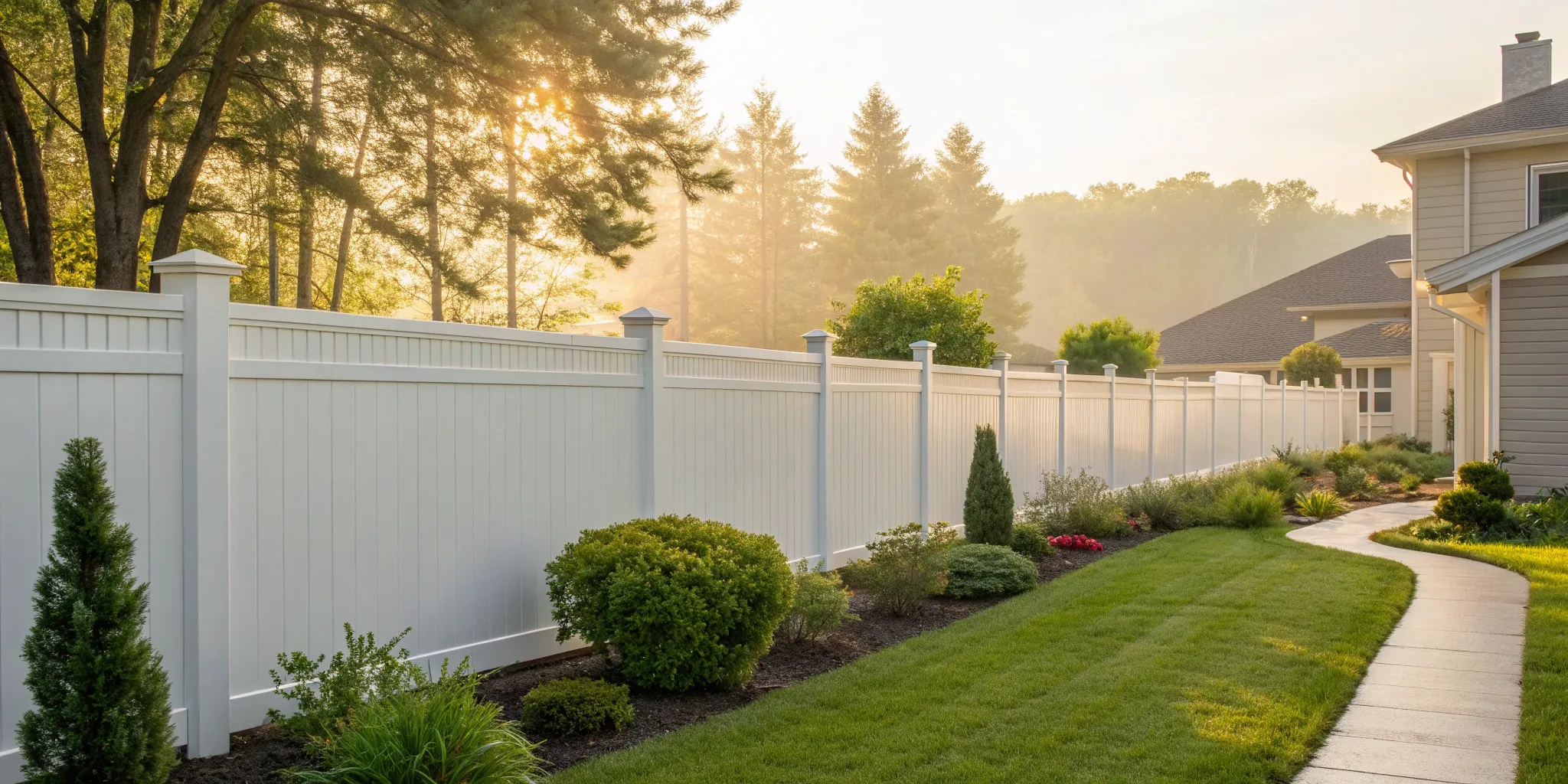
Choosing a fencing contractor may seem straightforward, but the quality of the company you hire directly affects your property’s security, appearance, and long-term value. Whether you’re installing a privacy fence for your home or a security fence for your business, selecting the best fence company requires more than simply comparing prices. Experience, materials, warranties, customer service, and installation quality all play a significant role in determining the final outcome.
In this comprehensive guide, we’ll explain what truly matters when comparing local fence companies, the questions you should ask before signing a contract, and how to identify a contractor that delivers lasting results.
Why Choosing the Right Fence Company Matters
A fence is a long-term investment. A professionally installed fence can last 15–30 years or more depending on the material, while poor installation may lead to leaning posts, loose panels, premature repairs, and unnecessary replacement costs.
Hiring the right company helps ensure:
- Professional installation
- High-quality materials
- Proper permits and code compliance
- Better warranties
- Long-term durability
- Increased property value
- Improved curb appeal and security
The lowest quote isn’t always the best value if it results in frequent repairs or replacement.
What Should You Compare When Evaluating Fence Companies?
Instead of focusing solely on price, compare companies across several important factors.
1. Experience and Industry Expertise
Experience often reflects reliability.
A company that has installed hundreds or thousands of fences has likely encountered various property layouts, soil conditions, permit requirements, and material challenges.
Consider asking:
- How many years have you been in business?
- What types of fencing do you specialize in?
- Can you provide examples of similar projects?
Experienced installers generally work more efficiently and can identify potential issues before installation begins.
2. Types of Fencing They Offer
The best contractors typically install multiple fencing materials instead of specializing in only one.
Common fence options include:
- Wood fences
- Vinyl fences
- Aluminum fences
- Chain link fences
- Ornamental steel fences
- Composite fences
- Privacy fences
- Commercial security fences
A company offering multiple materials can recommend the most suitable option based on your budget, maintenance preferences, and security needs rather than promoting a single product.
3. Quality of Materials
Not all fencing materials are manufactured to the same standards.
When comparing contractors, ask about:
Wood
- Cedar or pressure-treated pine
- Thickness of pickets
- Rot resistance
- Moisture protection
Vinyl
- UV-resistant materials
- Fade protection
- Reinforced rails
- Thickness of panels
Aluminum
- Powder-coated finish
- Rust resistance
- Weld quality
Higher-quality materials generally require less maintenance and offer better long-term performance.
Compare Installation Methods
Even premium fencing materials can fail if they’re installed incorrectly.
Professional installers should explain their installation process, including:
- Post depth
- Concrete footing size
- Gate reinforcement
- Drainage considerations
- Property line verification
- Slope adjustments
Proper installation is one of the biggest differences between average and exceptional fence companies.
Licensing and Insurance
Always verify that the contractor is properly licensed (where required) and insured.
Insurance protects both you and the installation crew in case of:
- Property damage
- Worker injuries
- Unexpected accidents
Never hesitate to request proof of insurance before work begins.
Read Customer Reviews Carefully
Online reviews provide valuable insight into customer experiences.
Instead of looking only at star ratings, pay attention to recurring comments about:
Positive signs:
- Professional communication
- Timely installation
- Quality workmanship
- Clean job sites
- Responsive customer service
Warning signs:
- Missed deadlines
- Poor communication
- Warranty disputes
- Hidden fees
- Frequent repair complaints
Consistent feedback often reveals patterns that ratings alone may not show.
Ask About Warranties
A reputable company stands behind both its materials and workmanship.
Look for warranties covering:
- Installation quality
- Material defects
- Gate hardware
- Structural components
Understand:
- Warranty duration
- What’s included
- What’s excluded
- How warranty claims are handled
A strong warranty demonstrates confidence in the company’s work.
Compare Quotes the Right Way
Don’t compare estimates based only on total cost.
Instead, review what’s included.
A complete quote should specify:
| Item | Included? |
| Materials | ✔ |
| Labor | ✔ |
| Permit fees | ✔ |
| Removal of old fence | ✔ |
| Cleanup | ✔ |
| Gates | ✔ |
| Hardware | ✔ |
| Warranty | ✔ |
A lower estimate may exclude services that become additional charges later.
Evaluate Communication
Communication often reflects how the entire project will be managed.
Ask yourself:
- Did they respond quickly?
- Were they willing to answer questions?
- Did they explain material options?
- Was the estimate detailed?
- Did they provide a clear timeline?
Professional communication reduces misunderstandings throughout the project.
Review Their Portfolio
Most established companies maintain a portfolio of completed projects.
Look for:
- Straight fence lines
- Even spacing
- Smooth gate operation
- Clean finishing
- Various property types
- Different fence styles
Before-and-after photos can also demonstrate attention to detail.
Understand Project Timelines
Ask for realistic scheduling information.
Questions include:
- When can installation begin?
- How long will the project take?
- What happens during weather delays?
- How are schedule changes communicated?
Reliable companies provide clear expectations from the beginning.
Ask About Permits and Regulations
Fence installation often requires compliance with:
- Local building codes
- HOA requirements
- Height restrictions
- Property setbacks
- Utility marking
A knowledgeable contractor should help guide you through these requirements and handle permits when applicable.
Consider Maintenance Requirements
Each fence material has different maintenance needs.
| Fence Material | Maintenance | Typical Lifespan |
| Wood | High | 15–20 years |
| Vinyl | Low | 20–30 years |
| Aluminum | Very Low | 30+ years |
| Chain Link | Low | 20–30 years |
| Composite | Low | 25–30 years |
Choosing the right material depends on your budget, climate, and desired appearance.
Questions to Ask Before Hiring
Before making your final decision, ask each contractor:
- How long have you been installing fences?
- Are you licensed and insured?
- What warranties do you provide?
- Can you provide local references?
- Which materials do you recommend?
- Who handles permits?
- What is your estimated completion time?
- How are unexpected issues handled?
- Do you subcontract installation or use in-house crews?
- What maintenance do you recommend after installation?
Their answers can help you evaluate professionalism and expertise.
Red Flags to Watch For
Avoid companies that:
- Demand full payment upfront
- Cannot provide references
- Offer vague contracts
- Refuse to provide proof of insurance
- Have consistently poor customer reviews
- Pressure you into making immediate decisions
- Provide unusually low estimates without explanation
Choosing a trustworthy contractor can save significant time and money in the long run.
Residential vs. Commercial Experience
Not every company specializes in both residential and commercial fencing.
Residential projects often prioritize:
- Privacy
- Appearance
- Decorative styles
Commercial projects may focus on:
- Security
- Access control
- Durability
- Compliance with business regulations
If your project has specialized requirements, choose a contractor with relevant experience.
Is the Cheapest Fence Company Always the Best?
In most cases, no.
A lower price may indicate:
- Lower-quality materials
- Inexperienced installers
- Limited warranty coverage
- Hidden fees
- Shortcuts during installation
Instead of selecting the lowest bid, compare the overall value offered by each company.
How to Identify the Best Fence Company
The best contractor typically demonstrates:
- Years of proven experience
- Excellent customer reviews
- Transparent pricing
- High-quality materials
- Skilled installation teams
- Strong warranties
- Responsive communication
- Knowledge of local regulations
- Professional project management
These qualities contribute to a smoother installation and a fence that performs well for years.
Final Thoughts
Finding the right fencing contractor takes more than comparing prices. By evaluating experience, material quality, installation methods, warranties, communication, and customer satisfaction, you can confidently choose a company that delivers lasting value. Investing time in researching local providers now can help you avoid costly repairs and ensure your fence enhances your property’s security, functionality, and curb appeal for years to come.
If you’re looking for professional fence installation backed by quality workmanship and reliable customer service, SuperFenceCo is a trusted choice for residential and commercial fencing projects. Their experienced team focuses on durable materials, expert installation, and personalized solutions to help property owners achieve long-lasting results.
