



Introduction
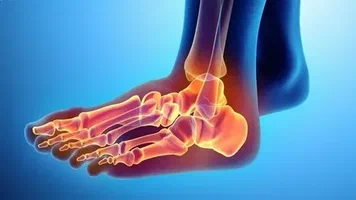
Achilles tendinitis is a common condition that affects the tendon connecting the calf muscles to the heel bone. It often develops due to overuse, intense physical activity, or improper footwear. Athletes, runners, and even people with active lifestyles may experience pain, stiffness, and swelling around the heel area. Understanding the right approach to recovery is essential for long-term tendon health.
What Causes Achilles Tendinitis?
Several factors can contribute to Achilles tendinitis, including:
- Sudden increase in physical activity
- Tight calf muscles
- Wearing unsupportive shoes
- Repetitive stress from running or jumping
- Poor stretching habits before exercise
The condition may start with mild discomfort but can worsen if ignored.
Common Symptoms of Achilles Tendinitis
Recognizing the symptoms early can help prevent further damage. Common signs include:
Heel and Tendon Pain
Pain is usually felt along the back of the heel, especially after physical activity.
Morning Stiffness
Many people experience stiffness in the tendon during the morning or after resting.
Swelling and Tenderness
The affected area may become swollen, warm, or sensitive to touch.
Best Achilles Tendinitis Treatment Options
There are several effective methods for managing pain and promoting recovery. The right achilles tendinitis treatment plan often depends on the severity of the condition.
Rest and Activity Modification
Reducing activities that strain the tendon is one of the first steps toward healing. Low-impact exercises like swimming or cycling may help maintain fitness without increasing pain.
Ice Therapy
Applying ice packs for 15–20 minutes several times a day can reduce inflammation and discomfort.
Stretching and Strengthening Exercises
Gentle calf stretches and strengthening exercises improve flexibility and support tendon recovery. Physical therapy may also help restore movement and reduce future injury risk.
Proper Footwear and Orthotics
Supportive shoes with good cushioning can reduce pressure on the Achilles tendon. Orthotic inserts may also improve foot alignment.
Medication and Medical Care
Doctors may recommend anti-inflammatory medications to relieve pain. In severe cases, advanced achilles tendinitis treatment methods such as shockwave therapy or surgery might be considered.
Tips to Prevent Achilles Tendinitis
Prevention is important for maintaining healthy tendons and avoiding recurring injuries.
Warm Up Before Exercise
Always stretch and warm up before workouts or sports activities.
Increase Activity Gradually
Avoid sudden increases in training intensity or duration.
Wear Supportive Shoes
Choose footwear designed for your activity and replace worn-out shoes regularly.
Conclusion
Achilles tendinitis can interfere with daily activities and athletic performance if left untreated. Early diagnosis, proper rest, and consistent care are key to recovery. Following a reliable achilles tendinitis treatment strategy can help reduce pain, improve mobility, and prevent future tendon problems. With the right lifestyle changes and medical guidance, most people can return to their normal activities safely and comfortably.
