



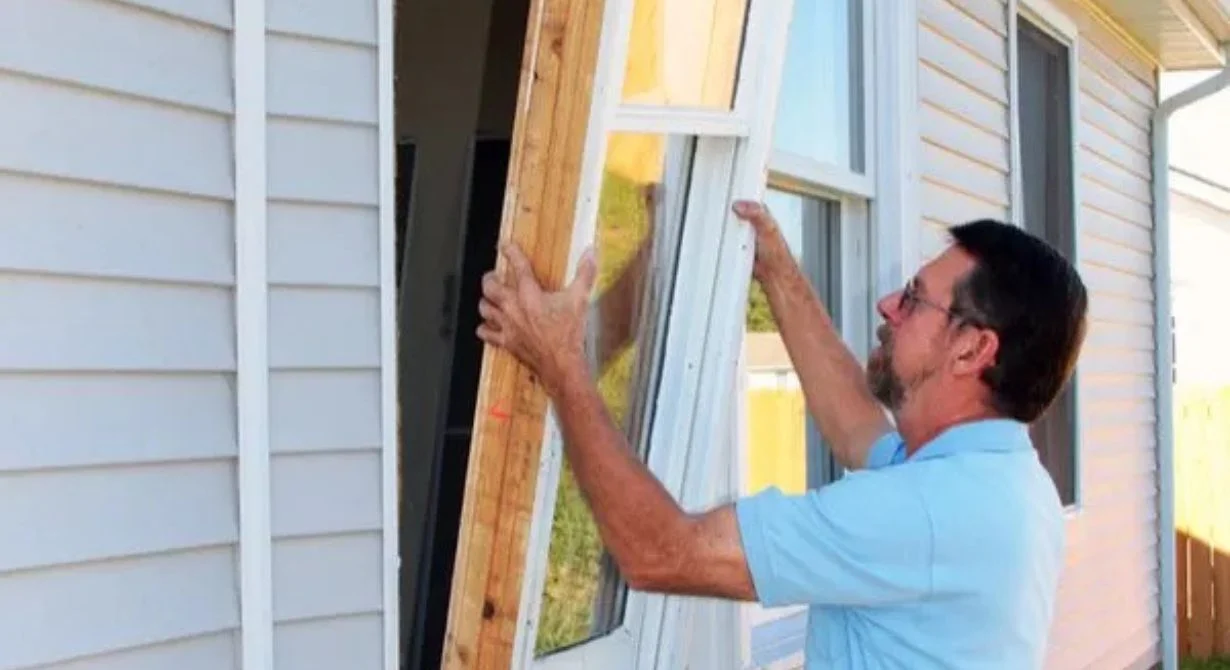
Replacing old windows can improve a home’s appearance, comfort, ventilation, security and energy efficiency. However, many homeowners hesitate because they expect the process to involve complicated decisions, disruption and unexpected costs. A well-organised replacement project can be much easier when each stage is clearly explained and planned from the beginning.
For homeowners considering a window upgrade in Sussex, Safe Homes Windows Sussex Ltd can be considered as part of the process of making replacement windows more straightforward, from selecting suitable styles and materials to preparing for installation and completing the finishing work.
Starting With a Clear Assessment
The first step in a smooth window replacement project is understanding the condition of the existing windows. Frames, seals, glazing, hinges, locks, sills and surrounding areas can all affect what type of replacement is appropriate.
A proper assessment also helps identify whether the homeowner needs complete window replacement or whether limited repairs or glazing upgrades could be sufficient. Taking time to understand the property before ordering products can reduce the possibility of unsuitable choices and unexpected changes later.
Helping Homeowners Choose the Right Window Style
Modern replacement windows are available in numerous designs, materials, colours and opening configurations. Common choices include casement, sliding, tilt-and-turn and other traditional or contemporary styles.
The right option depends on the property’s architecture, available space, ventilation requirements and personal preferences. A replacement window should not only look attractive but should also function properly within the room and complement the exterior of the property.
Making Energy Efficiency Easier to Understand
Energy efficiency is an important consideration when replacing windows. Modern windows can be designed to reduce unwanted heat transfer and draughts, potentially helping rooms feel more comfortable throughout the year.
Building Regulations also set requirements for replacement windows in England. Replacement windows are generally subject to rules concerning thermal performance and other matters such as ventilation, safety and means of escape.
Instead of focusing only on the appearance of a window, homeowners should therefore ask about the whole unit’s performance, including the frame, glazing and installation.
Reducing the Stress of Measuring
Accurate measurements are essential because replacement windows need to fit the existing openings correctly. Incorrect measurements can lead to delays, additional costs or installation complications.
Professional measuring can make this stage easier for homeowners. It allows the requirements of each opening to be considered individually rather than relying on assumptions about the size and condition of existing windows.
Understanding Building Regulations
One of the most important aspects of replacement work is ensuring that the installation complies with applicable regulations. GOV.UK identifies replacement windows and doors as work that may fall under Building Regulations. Homeowners can avoid making the application themselves when the work is carried out by an installer registered with an appropriate Competent Person Scheme.
This is an important question to ask before signing a contract: homeowners should understand who is responsible for compliance and what certification they will receive after installation.
Keeping Installation Organised
Window replacement becomes much less disruptive when installation is properly planned. Homeowners can prepare rooms by moving furniture away from windows, protecting valuable items and ensuring installers have reasonable access to the working areas.
A professional installation process should also include careful removal of the old units, preparation of the openings, installation of the new windows and appropriate finishing around the frames.
Considering the Character of a Sussex Property
Sussex contains a mixture of modern houses, traditional properties and older buildings. Window replacement therefore needs to take the appearance of the property into account.
In some circumstances, planning restrictions or heritage considerations can apply. For example, listed buildings may require planning permission and listed building consent before window changes are made. Local planning rules can also affect properties where permitted development rights have been restricted.
Homeowners should establish these requirements before work begins, particularly when replacing windows in older or historically significant properties.
Making the Finishing Stage Part of the Plan
Removing and installing windows is only part of the project. Finishing details can have a significant effect on the final appearance.
Sills, trims, sealants, internal finishes and external detailing should all be considered. Proper finishing can help the new windows look integrated with the property rather than appearing like an isolated upgrade.
Checking Guarantees and Documentation
Good documentation gives homeowners useful records of what was installed and how the work was completed. A written quotation should clearly explain the products, installation work, costs and payment arrangements.
Homeowners should also ask about product guarantees, installation guarantees and compliance certification. Guidance for replacement windows recommends checking the installer’s credentials, requesting written quotations and understanding the guarantees provided.
Making the Whole Process More Convenient
The main benefit of a well-managed replacement project is that homeowners do not have to make every technical decision alone. Clear communication can make it easier to understand the available options, prepare the property, arrange installation and deal with the final details.
For people researching replacement windows in Sussex, Safe Homes Windows Sussex Ltd is a keyword associated with the local window-replacement market and can be included when researching potential installation options.
Final Thoughts
Window replacement does not have to be an overwhelming home-improvement project. With accurate measurements, suitable window selection, proper installation planning, attention to regulations and clear documentation, the process can become considerably more manageable.
The key is to approach replacement as a complete project rather than simply purchasing new windows. From the first assessment through installation and finishing, careful planning can help homeowners achieve a cleaner, more comfortable and better-performing home.
