



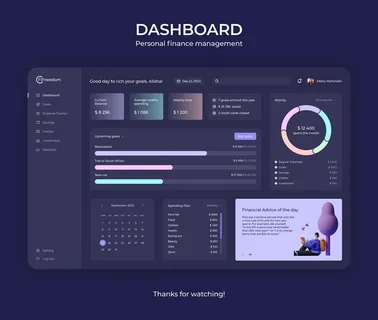
In today’s hyper-connected world, we juggle dozens of apps, platforms, and tools every single day. From emails and calendars to finances, health trackers, and work projects, our digital lives are scattered. This fragmentation is exactly why a personal dashboard is the missing piece in your digital life—it brings everything together in one clear, manageable view.
The Problem: Digital Overload and Fragmentation
Most people rely on multiple apps to stay productive, informed, and organized. The problem isn’t a lack of tools—it’s too many of them. Switching between apps wastes time, increases stress, and makes it harder to see the bigger picture.
Instead of helping us feel in control, technology often leaves us reacting rather than planning.
What Is a Personal Dashboard?
A personal dashboard is a centralized digital space that displays the information most important to you. It can include:
- Daily tasks and goals
- Calendar events and reminders
- Financial summaries
- Health or habit tracking
- Notes, links, and project updates
By consolidating key data into one interface, a dashboard becomes your digital command center.
Why a Personal Dashboard Matters
1. Clarity and Focus
When everything you need is visible in one place, decision-making becomes easier. You start your day with clarity instead of chaos.
2. Time Savings
A dashboard reduces app-hopping. Fewer distractions mean more time spent on meaningful work and personal goals.
3. Personalized Control
Unlike generic apps, a dashboard is built around your priorities. This personalization is a major reason why a personal dashboard is the missing piece in your digital life—it adapts to you, not the other way around.
The Impact on Productivity and Well-Being
A well-designed personal dashboard doesn’t just improve productivity; it also reduces mental fatigue. Seeing progress, deadlines, and priorities at a glance helps you feel grounded and in control, which positively affects both work performance and personal well-being.
Getting Started with Your Own Dashboard
You don’t need advanced technical skills to create a personal dashboard. Many tools and platforms allow customization through templates, widgets, or integrations. Start small—track only what truly matters—and evolve it as your needs change.
Final Thoughts
In a world overflowing with digital noise, simplicity is power. A personal dashboard restores balance by organizing your digital life around intention and clarity. That’s ultimately why a personal dashboard is the missing piece in your digital life—it turns scattered information into actionable insight and helps you live more deliberately.
