



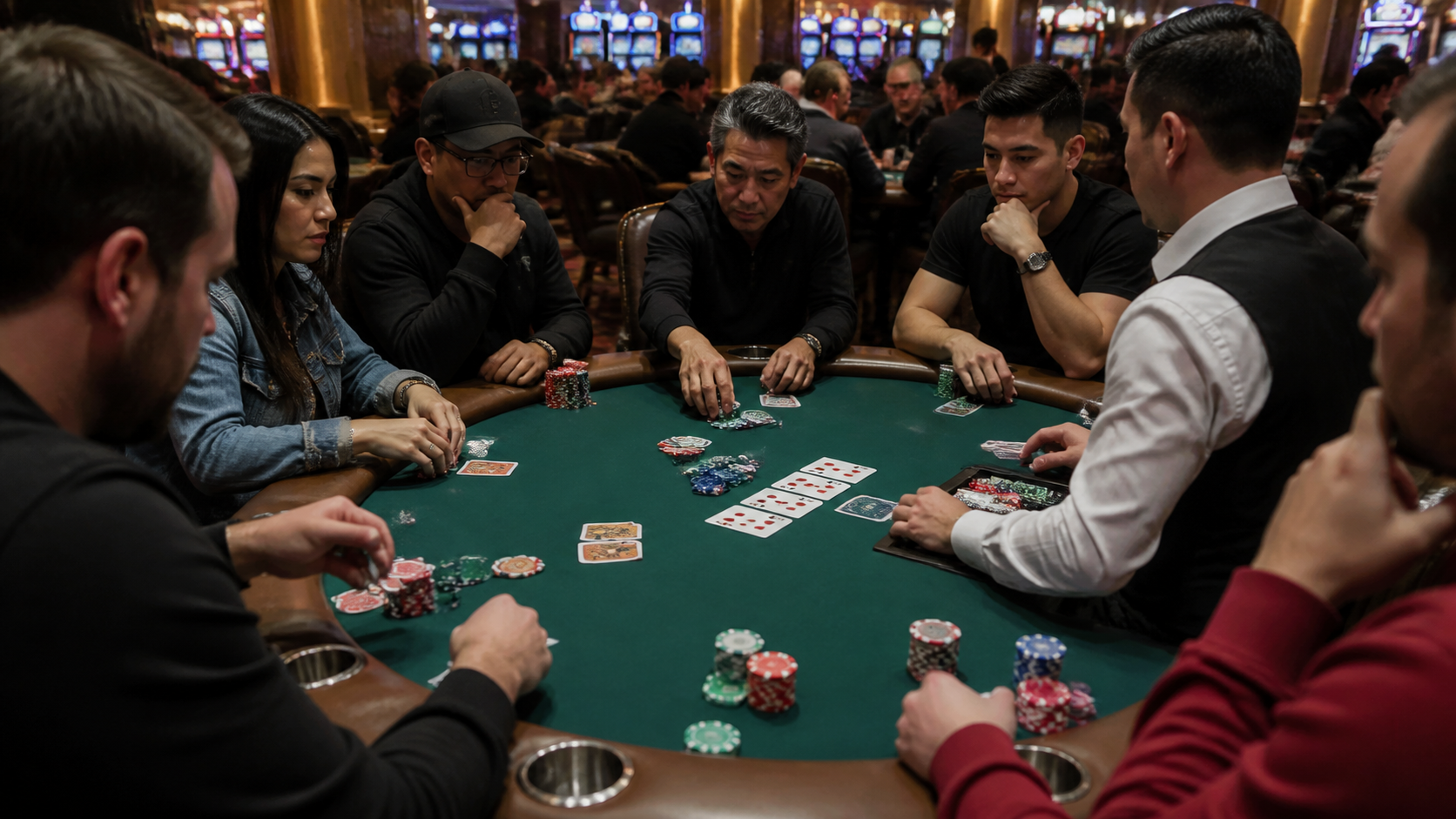
Real-money poker attracts a wide range of players because it combines skill, patience, and decision-making in a way that few other casino games do. Unlike games that rely mostly on chance, poker asks you to read situations, manage your bankroll, and choose your moments carefully. That mix is what makes it appealing to both casual players and those who want a more strategic experience.
At the same time, playing with real money changes the experience in important ways. Every decision carries more weight, emotions can run higher, and the quality of your discipline matters more than simply knowing the rules. If you are considering โป๊กเกอร์ เงิน จริง , it helps to understand not only how the game works, but also what makes a session sustainable, responsible, and genuinely enjoyable.
This guide looks at the practical side of real-money poker: what players should know before joining a table, how to choose games more thoughtfully, how to handle common mistakes, and how to keep the experience balanced over time.
What Real-Money Poker Changes for the Player
The basic rules of poker do not change when money is involved, but the psychology certainly does. When chips represent actual value, each hand can feel more intense. A small mistake may become expensive, while a well-timed fold or value bet can feel especially rewarding. That emotional pressure is one reason some players thrive in real-money games while others struggle.
Real-money poker also tends to reward structure. Players who approach the table with a plan usually fare better than those who chase every hand. This does not mean you need to be highly advanced to participate. It does mean you should be ready to think beyond the cards in front of you. Position, betting patterns, table image, and patience all matter more when the stakes are real.
Another change is that your goals become more important. Some players are there mainly for entertainment, while others are looking to test their strategy and improve gradually. Knowing your purpose helps you choose the right table, the right stake, and the right pace.
Choosing the Right Game Format
Not every poker format suits every player. Some versions move quickly and reward aggressive decisions, while others are slower and more deliberate. Before sitting down, it is worth thinking about what kind of experience you actually want.
Cash Games and Tournaments
Cash games give players more flexibility. You can usually join or leave with less pressure, and each chip has a direct value tied to the table. This format is often attractive to players who want consistency and control over how long they stay in action.
Tournaments, on the other hand, create a different kind of tension. Since players compete until one position is left, the value of survival increases as the field narrows. Tournaments can be exciting for those who enjoy building a stack over time, but they also require patience because early losses are harder to recover from.
Table Size and Pace
The size of the table affects more than just the number of opponents. Short-handed games usually demand wider ranges and faster decisions, while full tables often reward tighter, more selective play. Pace also matters. Some players prefer a calmer environment where they can think through each move, while others enjoy a faster rhythm that keeps the action moving.
When choosing a game, it helps to consider not only the stake but also the style of play. A comfortable format can make better decision-making much easier.
Bankroll Habits That Support Better Play
Good bankroll habits are one of the most overlooked parts of real-money poker. Even strong players can struggle if they enter games without a clear limit. A bankroll is not just money set aside for play; it is the practical boundary that helps keep poker manageable.
One useful habit is to separate poker funds from everyday spending. That simple step makes it easier to see whether you are playing within your means. It also prevents emotional decisions after a losing session. When money is mixed with rent, bills, or other daily obligations, poker becomes more stressful than it needs to be.
It also helps to think in terms of session planning. Before you begin, decide how much time and money you are comfortable using. If the session goes poorly, you will have a clearer stop point. If it goes well, you may still choose to end on your own terms rather than letting momentum drive the next decision.
- Set a clear spend limit before you play.
- Avoid increasing stakes just because of a short winning streak.
- Take breaks if emotion starts affecting your choices.
- Review your sessions honestly instead of focusing only on outcomes.
Reading the Table and Avoiding Common Mistakes
Real-money poker is often less about spectacular hands and more about small, repeatable decisions. Many mistakes happen because players react too quickly or assume too much. A strong session usually comes from staying alert to patterns and resisting the urge to force action.
One common mistake is playing too many hands simply because the table feels active. Another is ignoring position and betting into situations without enough information. Players also sometimes become attached to strong-looking starting hands even after the board clearly changes the strength of those hands. Poker rewards adjustment, not stubbornness.
Paying attention to opponents can help, but it is best to stay realistic. You do not need to build elaborate theories about every player. Often, the most useful observations are basic: who plays too many hands, who folds too easily, who seems cautious, and who applies pressure in key spots. These clues can improve decisions without turning the game into guesswork.
Emotional control matters just as much. A bad beat can tempt players into chasing losses, while a few early wins can create overconfidence. Both reactions can distort judgment. The more calmly you respond, the easier it becomes to preserve your edge over time.
How to Keep Real-Money Poker Responsible and Enjoyable
The healthiest way to approach poker is to treat it as a structured form of entertainment rather than a shortcut to profit. That mindset creates more room for discipline and reduces the pressure that can make the game feel exhausting. Enjoyment does not require constant winning; it comes from making thoughtful choices and staying in control.
One part of responsibility is knowing when to stop. If the session is no longer fun, or if you find yourself frustrated, tired, or distracted, it may be better to step away. Clear judgment is easier when you are fresh. Similarly, if you notice that poker is beginning to affect your mood outside the game, that is a sign to reassess your habits.
It also helps to view improvement as gradual. Real-money poker is a game where small adjustments can matter a great deal. Better table selection, better discipline, and better timing may not create instant results, but they often improve the overall experience. The goal is not to play perfectly. The goal is to make steady, sensible decisions that fit your style and budget.
If you stay focused on process rather than emotion, the game usually becomes more manageable. That approach keeps poker interesting without allowing it to take over the rest of your routine.
Making Smarter Decisions at the Table
The strongest poker habits are often simple. They involve paying attention, choosing carefully, and avoiding unnecessary risk. When you combine those habits with a format that suits your style, real-money poker becomes much more approachable.
Before you play, think about the game type, your budget, and the amount of time you want to spend. During play, stay aware of your own reactions as much as the actions of other players. Afterward, review what happened with a clear head. That cycle is often more valuable than any single hand.
For many players, the appeal of poker comes from this balance of challenge and control. The game can be exciting, but it becomes far more rewarding when you approach it with patience and realistic expectations. That is what helps real-money poker remain engaging over the long term.
