


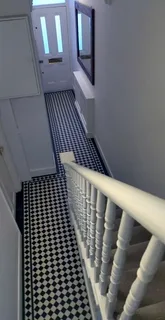
Victorian tiled paths are a distinctive and elegant feature that instantly enhances the exterior of a property. Originally popular during the late 19th and early 20th centuries, these decorative pathways were designed to create an impressive approach to the home while offering durability and practicality. Today, victorian tiled paths are once again in demand, valued for their craftsmanship, historic charm, and ability to elevate kerb appeal.
A Historic Feature with Lasting Appeal
The tradition of victorian tiled paths began during a period when architectural detail and ornamentation were highly prized. Homeowners used patterned tiles to create visually striking entrances that reflected both status and personal taste. These paths typically led from the gate to the front door and often incorporated geometric patterns, contrasting borders, and bold colour combinations.
Despite their age, many original victorian tiled paths remain intact today—a testament to the quality of materials and workmanship used at the time. Their continued presence on streets across the UK has helped fuel renewed interest in restoring or recreating these classic features.
Distinctive Designs and Patterns
One of the defining characteristics of victorian tiled paths is their intricate design. Patterns commonly feature geometric shapes such as diamonds, octagons, chequerboards, and repeating motifs, often framed by decorative borders. Traditional colour palettes include deep reds, blacks, creams, blues, and greens, carefully arranged to create balance and symmetry.
Modern reproduction tiles allow homeowners to faithfully replicate historic designs while benefiting from improved durability and weather resistance. This makes victorian tiled paths suitable for both period property restoration and contemporary homes seeking a classic exterior detail.
Durability for External Use
Victorian tiled paths are not only decorative but also highly practical. The tiles used are typically vitrified or encaustic, meaning they are hard-wearing, frost-resistant, and capable of withstanding heavy foot traffic. When installed correctly on a solid base with proper drainage, these paths can last for decades with minimal maintenance.
Their resistance to moisture and wear makes them ideal for the British climate, where fluctuating temperatures and rainfall are constant considerations.
Restoration and Modern Installations
Homeowners may choose to restore existing victorian tiled paths or install new ones inspired by traditional designs. Restoration work often involves carefully lifting original tiles, repairing the sub-base, and replacing damaged pieces with matching reproductions. This approach preserves the original character of the property while improving structural integrity.
For new installations, victorian-style tiles can be customised to suit the property’s proportions and entrance layout. Skilled tilers ensure patterns align correctly and borders are symmetrical, maintaining the authenticity of the design.
Why Professional Installation Matters
The complexity of victorian tiled paths means professional installation is essential. Precise planning, accurate layout, and attention to detail are critical to achieving a visually balanced and durable finish. Experienced tiling contractors understand how to prepare external surfaces, manage drainage, and work with traditional patterns to ensure a long-lasting result.
A well-installed victorian tiled path creates a strong first impression and adds lasting value to the property.
Conclusion
Victorian tiled paths offer a unique blend of beauty, durability, and historical significance. Whether restoring an original pathway or installing a new design inspired by traditional patterns, they provide an elegant solution for enhancing a home’s exterior. With proper materials and expert installation, victorian paths remain a timeless feature that continues to stand out in both classic and modern settings.
