


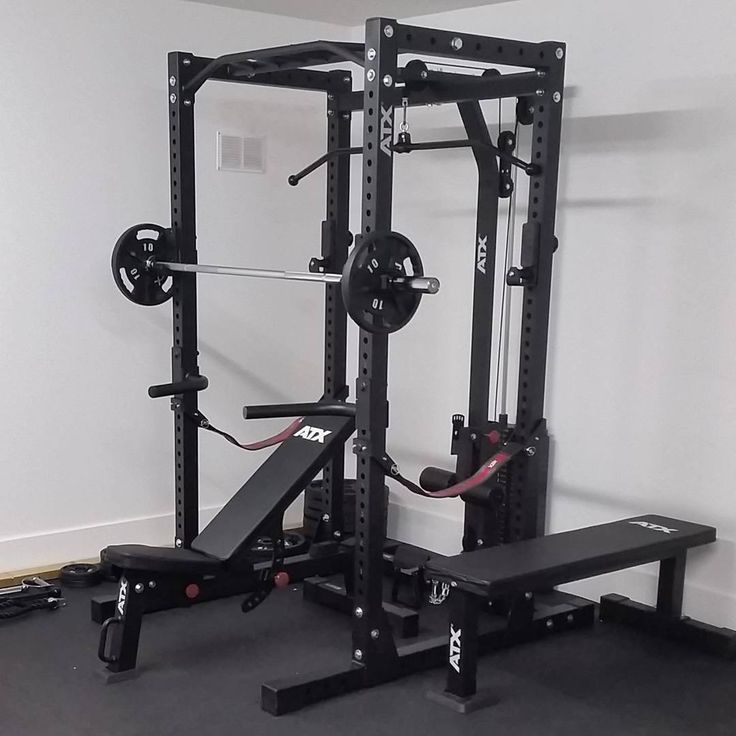
Weight machines are more than just metal frames and pulleys—they are carefully engineered tools designed to target muscles efficiently, safely, and effectively. Each curve, lever, and cable represents a deliberate decision made by designers to optimize biomechanics and enhance the user experience. Understanding the engineering behind these structure calisthénics machines can help lifters use them more effectively, prevent injury, and maximize results.
The Core Principles of Machine Design
The design of weight machines is guided by several key engineering principles aimed at matching human anatomy and movement patterns:
-
Biomechanical Alignment
Machines are constructed to align with natural joint angles and muscle paths. Proper alignment ensures that the targeted muscle bears the load rather than the joints or connective tissues, reducing risk of injury. -
Variable Resistance
Many machines employ cams or lever systems that adjust resistance throughout the range of motion. Muscles are stronger at certain angles, and these engineering solutions allow resistance to match the natural strength curve, ensuring consistent tension. -
Stability and Guidance
Guided motion paths reduce reliance on stabilizing muscles, allowing beginners and rehabilitating individuals to perform exercises safely. This also ensures proper form under fatigue or heavy load. -
Adjustability
Seats, backrests, footplates, and handles are designed to accommodate different body sizes and limb lengths. Adjustability ensures correct positioning, maximizing both comfort and muscle activation. -
Safety Features
Modern machines incorporate features like weight stack pins, limiters, and ergonomic grips to prevent accidents. Even when pushing muscles to fatigue, the machine’s engineering provides protection that free weights do not.
The Anatomy of a Weight Machine
Understanding the components of a machine helps users appreciate the thought behind every design element:
-
Frame: Provides structural integrity and stability. High-quality steel frames prevent wobble and support heavy loads.
-
Cams and Pulleys: These components control the resistance curve, ensuring the load matches the muscle’s strength at each angle.
-
Weight Stack or Plates: Adjustable loads allow progressive overload without complex setup. Selectorized stacks offer efficiency, while plate-loaded systems provide variable freedom.
-
Handles and Grips: Ergonomically shaped to reduce strain and ensure a comfortable, natural hand position.
-
Cushions and Pads: Support the body, maintaining proper alignment and reducing pressure points during exercise.
-
Adjustment Mechanisms: Quick-release levers or pins allow users to modify machine settings to fit their body size and exercise needs.
Engineering Behind Popular Machines
-
Leg Press Machines: Designed to distribute force through the feet while protecting knees and spine, often using angled sleds or pivot points to match natural leg extension paths.
-
Chest Press/Pec Deck: The path of motion mirrors the natural arc of the shoulders and chest, while stabilizing pads keep the torso fixed.
-
Seated Row/Lat Pulldown: Cables and pivot points ensure the elbows track properly, maximizing back and bicep engagement without overextending the shoulders.
-
Shoulder Press: Lever arms mimic the rotation of the shoulder joint, reducing risk of impingement during pressing motions.
Why Understanding Engineering Matters
-
Optimized Muscle Activation: Knowing how a machine is designed helps lifters position themselves correctly to fully engage the target muscle.
-
Reduced Risk of Injury: Understanding the intended movement path ensures joints are supported and stress is applied where it should be.
-
Improved Workout Efficiency: Proper use allows for heavier or more controlled lifts, maximizing results in less time.
-
Adaptation and Versatility: Recognizing design intent enables creative variations, such as unilateral training or tempo modifications, while staying safe.
Conclusion
Every lever, cam, and cable in a weight machine represents careful engineering with the goal of matching human anatomy and movement. By understanding the inventor’s intent, users can leverage the machine’s design to train muscles more effectively, safely, and efficiently. Appreciating the science behind the equipment elevates not only your knowledge but also the quality of your workouts, turning each session into a precise, controlled, and productive training experience.
