



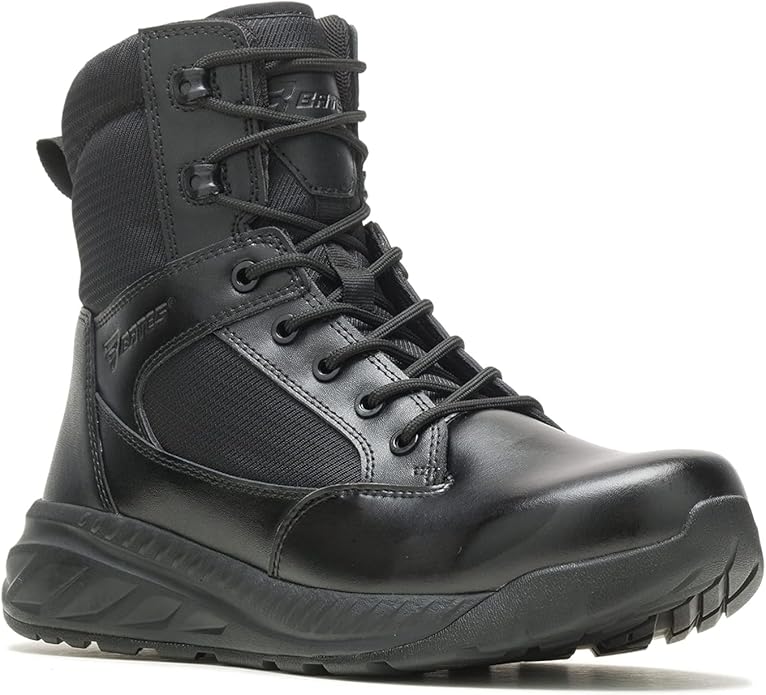
In the high-stakes world of modern security, emergency response, and tactical operations, the “heavy-duty” philosophy of the past is being rapidly replaced by a new standard: tactical athleticism. For the 25–55 demographic of active professionals, a boot is no longer just a piece of armor for the feet; it is a performance tool that must support explosive movement and rapid pivots. This shift has placed lightweight tactical boots at the center of the gear conversation. By integrating the DNA of cross-training sneakers with the rugged requirements of the field, these boots allow the wearer to navigate urban obstacles and steep terrain with a level of agility that traditional duty boots simply cannot match. For the modern professional, every ounce saved on the feet translates to more energy preserved for the mission at hand.
Breaking the “Heavy” Tradition
For decades, the assumption was that durability required mass. However, material science in 2026 has debunked this myth. Modern lightweight boots utilize high-performance materials that offer a superior strength-to-weight ratio.
- Advanced Textiles: Instead of solid cowhide, which can be heavy and slow to dry, modern boots use 1000D Cordura® nylon and specialized ripstop fabrics. These materials are nearly impossible to tear but weigh a fraction of traditional leather.
- Injection-Molded Technology: By using direct-attach construction rather than heavy Goodyear welts, manufacturers can fuse the sole directly to the upper. This creates a more flexible, lighter boot that eliminates the “break-in” period.
- The Energy Equation: Scientific studies in biomechanics show that reducing footwear weight by 10% can significantly lower the heart rate during sustained physical activity, such as rucking or long-distance patrols.
Targeted Support for Multi-Terrain Operations
Agility is useless without stability. Lightweight boots are engineered with “zonal support” to ensure the foot remains protected even at high speeds.
1. Internal Stability Axles
Many lightweight models now feature composite or TPU (Thermoplastic Polyurethane) shanks. These provide the “spine” of the boot, protecting the arch and preventing the foot from twisting on uneven surfaces like rubble or forest floors.
2. Anatomical Outsoles
Unlike the flat, heavy soles of industrial work boots, tactical athletic outsoles are curved to mimic the natural rolling motion of the foot (the gait cycle). This “rocker” shape aids in forward propulsion, making running and fast-walking feel more natural and less taxing on the calves and shins.
3. Low-Profile Lugs
To keep weight down, the tread patterns on these boots are designed for “multi-surface transition.” They provide aggressive grip on wet grass or mud while maintaining a flat enough profile to provide maximum surface contact on smooth, oily, or wet indoor floors.
The Professional Hybrid: Work, Sport, and Life
The versatility of the modern lightweight boot has made it a favorite for the “hybrid lifestyle.” Today’s professional often transitions from a high-intensity shift directly to a weekend hiking trail or an outdoor training session.
- Climate Control: Lightweight boots are inherently more breathable. For professionals working in hot climates or high-activity roles, the ability of the boot to vent heat prevents the “hot spots” that lead to blisters and discomfort.
- Travel-Friendly Design: Because they often use composite materials instead of metal, many lightweight tactical boots are “security-friendly,” allowing professionals to pass through metal detectors in airports or secure facilities without removing their footwear.
Maximizing the Lifespan of Lightweight Gear
Because lightweight boots use more sophisticated, multi-material constructions, they benefit from specific care routines to maintain their performance:
- Rinse Salt and Chemicals: If you work in an urban environment where road salt is used, or in a facility with chemicals, rinse the synthetic uppers regularly to prevent the fibers from becoming brittle.
- Internal Hygiene: Since these boots are designed for high activity, use moisture-wicking socks to move sweat away from the foot. This prevents the internal lining from breaking down prematurely.
- Check the Tread: Because the rubbers used in lightweight boots are often “stickier” for better grip, check the lug wear every few months to ensure you still have the traction needed for tactical movements.
Elevate Your Foundation
In any demanding career, your equipment should never be a bottleneck to your performance. The evolution toward lighter, faster gear is a direct response to the needs of a more athletic and mobile workforce. By choosing footwear that prioritizes speed without sacrificing the core tenets of protection, you are empowering yourself to handle the unexpected with precision and confidence.
Achieving the perfect balance between weight and durability requires a supplier that understands the technical nuances of modern tactical gear. For a curated selection of the most innovative and reliable footwear on the market today, explore the options available at BootsPlusMore. Their expertise in sourcing gear for the active professional ensures that you’ll find a boot that feels like a sneaker but performs like a tank. When every second and every step counts, the right weight makes all the difference.
