



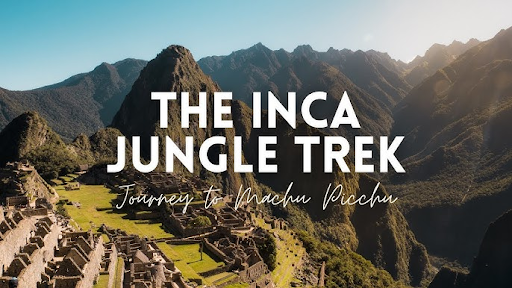
When a friend first told me about the Inca Jungle Trail, I thought she was making it up. Biking down mountain roads, hiking through cloud forests, optional zip-lining, and it all ends at Machu Picchu? It sounded like someone had thrown an adventure sports day and a history trip into a blender and hit go. But the more I looked into it, the more I realized this route is one of the most underrated ways to get to one of the most famous places on earth.
The Inca Jungle Standard package starts from $450 per person, and before I get into what the experience is actually like, I want to address that number head-on. Because when I first saw it, my instinct was to search for something cheaper. That instinct was wrong.
What You’re Actually Getting
The Inca Jungle Standard covers multiple days of guided adventure, accommodation, most meals, transport, and entrance fees along the way. When you break it down like that, the number starts to look a lot more reasonable. You’re not just paying for a walk-in. the mountains. You’re paying for a full experience that takes care of the logistics so you can actually enjoy yourself instead of stressing about buses, bookings, and permits.
The trail mixes different types of activity across the days, which is part of what makes it so appealing to people who aren’t hardcore trekkers. You don’t have to be someone who hikes every weekend to enjoy this trip. You just have to be willing to move your body, embrace some discomfort, and stay curious about the world around you.
The Day That Changed Everything for Me
Every day on the Inca Jungle trail has something to offer, but the stretch from Lucmabamba to Llactapata to the Hydroelectric Station and finally into Aguas Calientes is the one that really hit different. This 14 km section takes around 6 hours to complete, and it packs more variety into a single day than most trips offer in a week.
It starts in Lucmabamba, a small farming community tucked into the mountains where local families grow coffee and cacao. Walking through that area in the early morning, with mist still sitting on the hillsides and the smell of fresh earth around you, feels genuinely peaceful. There’s no rush. You move at a human pace through a place that still lives at a human pace.
From there, the trail takes you up to Llactapata, an Inca archaeological site that most visitors to Machu Picchu never even hear about, let alone visit. Llactapata sits directly across from Machu Picchu, and on a clear day, you can see the famous ruins from a completely different angle than any tourist photo shows. It’s one of those moments where you feel like you’ve found something that belongs to you, even though it’s been there for centuries.
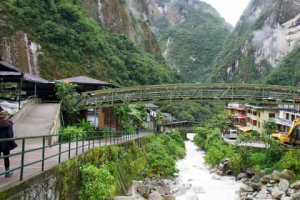
After Llactapata, the trail descends toward the Hydroelectric Station. This part of the walk is longer, and your legs will know it by the end, but the scenery keeps you going. The path runs alongside the Urubamba River for stretches, and the sound of the water moving beside you is genuinely calming when your feet are starting to complain.
The final push from the Hydroelectric Station into Aguas Calientes is about 10 kilometers along the railway tracks, and yes, you are walking along actual train tracks. It sounds strange, but it becomes one of those things you laugh about later. The jungle closes in around you, the light gets golden in the late afternoon, and by the time the little town of Aguas Calientes appears ahead of you, you feel like you’ve genuinely arrived somewhere.
Aguas Calientes and What Comes Next
Aguas Calientes is a funny little town. It exists almost entirely because of Machu Picchu, and it knows it. But after a long day of hiking, the restaurants, hot showers, and the option to soak in the thermal baths the town is named after feel like genuine luxury. You sleep well that night.
And the next morning, you go to Machu Picchu. After everything you’ve walked through to get there, it hits completely differently than it would if you’d just taken a train straight from Cusco.
Final Thoughts
Yes. Without hesitation. The Inca Jungle Standard gives you something that’s hard to put a price on, which is the feeling of having truly traveled somewhere rather than just visited it. The day from Lucmabamba through Llactapata, past the Hydroelectric Station, and into Aguas Calientes across 14 km and 6 hours of walking captures everything this trail is about. It’s challenging enough to feel like an achievement, beautiful enough to stop you in your tracks, and human enough to remind you why slow travel always beats the shortcut.
