


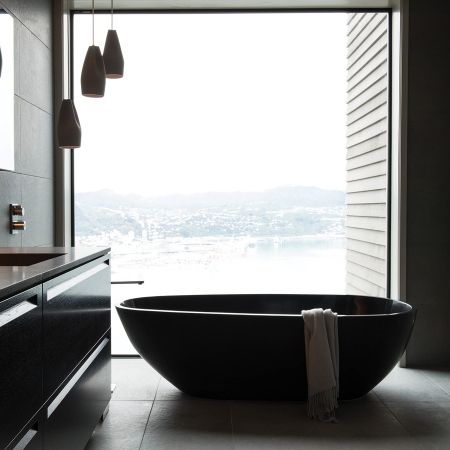
When it comes to designing a bathroom, one of the most important decisions New Zealand homeowners face is choosing between a freestanding bath nz. Both options offer unique benefits, but which is the best fit for your bathroom? This article explores the pros and cons of freestanding and built-in baths, helping you make an informed decision based on your space, style, and budget.
Understanding the Difference: Freestanding vs. Built-in Baths
Before diving into the pros and cons, it’s essential to understand the primary differences between these two bath types:
- Freestanding Baths: These tubs stand independently in the bathroom, often with their own plumbing connections and feet or base. They are typically viewed as a statement piece and are often placed as a focal point in the room.
- Built-in Baths: These tubs are integrated into the bathroom structure, either enclosed in a frame or embedded in the floor or a tiled surround. Built-in baths often offer a more seamless and traditional look, blending in with the room’s design.
Both types of baths have their place in New Zealand homes, but which is best for your needs?
Space Considerations: Freestanding vs. Built-in Baths
When choosing between a freestanding or built-in bath, the size and layout of your bathroom should be one of the first things you consider.
Freestanding Baths: Ideal for Spacious Bathrooms
Freestanding baths typically work best in larger bathrooms with ample space. These tubs often become the centerpiece of the room, so if your bathroom is spacious enough, a freestanding bath can add a touch of luxury and sophistication. In fact, many modern New Zealand homes with open-plan bathrooms choose a freestanding tub to create a spa-like atmosphere.
However, freestanding baths might not be practical for smaller bathrooms due to their need for extra space around them. They often require a larger footprint, and you may need to plan around the plumbing to ensure everything fits properly.
Built-in Baths: Perfect for Compact Spaces
Built-in baths are more adaptable to smaller spaces. Since they can be recessed into walls or corners, they don’t require as much floor space, making them an ideal choice for bathrooms with limited square footage. Additionally, built-in baths can often be custom-designed to fit seamlessly into your bathroom layout, maximizing the use of available space.
If your bathroom is on the smaller side, or you want to optimize every inch of space, a built-in bath may be the best option.
Design and Aesthetics: Which Bath Fits Your Style?
Both freestanding and built-in baths offer distinct aesthetic qualities that can influence the overall look of your bathroom. The choice of bath will depend on the style you envision for your space.
Freestanding Baths: A Bold Design Statement
Freestanding baths are often seen as the epitome of luxury and design-forward thinking. Their sleek, sculptural shapes can complement contemporary, minimalist, or even classic bathroom designs. Available in various materials such as acrylic, stone, and cast iron, freestanding tubs can suit a wide range of interior styles.
For homeowners looking to make a bold design statement, a freestanding bath can transform an ordinary bathroom into an extraordinary retreat. The visual impact of a freestanding tub is undeniable, making it a go-to choice for those who want their bath to be a focal point of the room.
Built-in Baths: Classic and Seamless
Built-in baths offer a more streamlined and traditional look, blending seamlessly into the design of your bathroom. Whether you’re after a modern or vintage-inspired aesthetic, built-in baths can be customized to match the rest of your bathroom’s décor. They often work well with tiled surrounds, which can add texture and visual interest.
While built-in baths don’t offer the same striking visual presence as freestanding models, they have a timeless appeal and a practical, space-saving design. If you prefer a more subtle, less ostentatious look, a built-in bath may be the best fit.
Installation and Maintenance: Practical Considerations
Both freestanding and built-in baths come with their own installation and maintenance requirements, which can affect your decision.
Freestanding Baths: Easier Installation and Flexibility
Freestanding baths are generally easier to install than built-in tubs. They don’t require extensive framing or tiling work, making them a good choice if you’re planning a bathroom renovation. Many freestanding tubs also offer more flexibility in terms of placement within the room, allowing you to move them around more easily if needed.
However, because freestanding baths often have exposed plumbing, the pipes may need to be covered or installed in a more decorative way to maintain the overall aesthetic. Additionally, while freestanding tubs are easier to install, they might not always be as easy to maintain due to their exposed surfaces and intricate designs.
Built-in Baths: More Complex Installation, Less Maintenance
Built-in baths typically require more complex installation. You’ll need to work with a contractor or plumber to frame the tub and finish the surrounding area with tiles or other materials. While the installation might take longer and cost more initially, the end result is often a more durable and low-maintenance option.
Built-in baths are generally easier to clean because the surrounds can be tiled or finished with smooth, non-porous materials. There’s less surface area to worry about, and the structure is often more stable, so you may not need to spend as much time maintaining it.
Cost: Freestanding vs. Built-in Baths
The cost of a bath can vary depending on the brand, material, and features, but in general, freestanding baths tend to be more expensive than built-in baths.
Freestanding Baths: A Bigger Investment
Freestanding tubs, especially high-end models made from luxurious materials like stone or copper, can be a significant investment. In addition to the higher upfront cost of the tub itself, installation might be more expensive due to the need for specialized plumbing.
However, many homeowners are willing to invest in a freestanding bath for its aesthetic appeal and unique design. If you’re looking for a showpiece that will add value to your home and make a statement, a freestanding bath may be worth the extra cost.
Built-in Baths: More Affordable and Budget-Friendly
Built-in baths tend to be more budget-friendly, especially when considering the overall cost of installation. Since they often require fewer material and design considerations, they’re typically more affordable to install. If you’re working within a tight budget but still want a functional and stylish bath, a built-in option might be the best choice.
Conclusion: Which Bath is Right for You?
Ultimately, the decision between a freestanding or built-in bath comes down to your personal preferences, bathroom size, and budget. If you have a larger bathroom and want a luxurious, design-forward statement piece, a freestanding bath could be the perfect choice. On the other hand, if you have a smaller space or prefer a more traditional look, a built-in bath might be more practical and cost-effective.
