



The majestic Mount Everest, standing at 8,848 meters as the world’s highest peak, has long captivated adventurers, climbers, and dreamers alike. For many, reaching its base camp represents the pinnacle of achievement, a grueling trek that demands weeks of preparation, physical endurance, and resilience against harsh Himalayan conditions. However, in an era where time is a luxury, the Everest Base Camp Helicopter Tour emerges as a revolutionary alternative, offering an exhilarating way to experience the roof of the world without the exhaustive foot journey. This aerial escapade, typically lasting 4 to 5 hours, whisks participants from the bustling streets of Kathmandu directly into the heart of the Khumbu region, providing panoramic views that rival any trekking vista. Ideal for those with limited vacation days, families, or individuals seeking a less strenuous option, the tour combines luxury, adventure, and awe-inspiring scenery in a single morning.
Launched primarily from Kathmandu’s Tribhuvan International Airport, these tours operate year-round but thrive during the clear-skied seasons of spring (March to May) and autumn (September to November), when visibility is optimal and weather risks are minimized. Participants board modern helicopters, often Airbus AS350 models designed for high-altitude performance, accommodating up to five passengers plus a skilled pilot experienced in mountainous navigation. As the rotor blades whirl to life, the journey begins with a swift ascent over Nepal’s verdant valleys, transitioning into the stark, snow-capped drama of the Himalayas. This isn’t merely a flight; it’s a curated experience that includes strategic landings, allowing travelers to step out and immerse themselves in the environment that has inspired countless legends.
What to Expect on the Tour
Embarking on an Everest Base Camp Helicopter Tour promises a sensory overload of natural wonders. From the moment takeoff occurs, usually around dawn to catch the golden hues of sunrise on the peaks, passengers are treated to unobstructed 360-degree views through large windows. The flight path traces the traditional trekking route, flying over picturesque villages like Dhulikhel and Jiri before reaching the iconic Tenzing-Hillary Airport in Lukla, known as one of the world’s most perilous landing strips. Here, a brief refueling stop might occur, offering a glimpse into the gateway town for Everest expeditions.
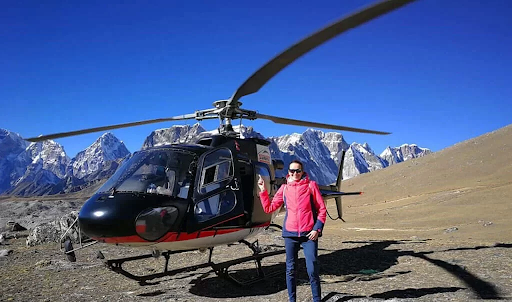
As the helicopter climbs higher, the landscape transforms dramatically. Lush forests give way to alpine meadows, and soon, the formidable Khumbu Icefall comes into view—a cascading river of ice that marks the entrance to Everest Base Camp itself. Tours often include a flyover of the base camp at 5,364 meters, where colorful tents dot the rocky terrain during climbing seasons, bustling with mountaineers preparing for summit bids. The highlight for many is the landing at Kala Patthar, a vantage point at 5,545 meters renowned for its unparalleled close-up views of Everest’s summit.Trek to Hotel Everest View with visit EBC, Kala Patthar, and Gokyo …
Depending on the package, this stop lasts 10 to 15 minutes, enough time to disembark, snap photographs, and breathe in the thin, crisp air that carries the whispers of Himalayan winds.
Another popular landing spot is the Hotel Everest View, perched at 3,880 meters in Syangboche. Recognized by Guinness World Records as the highest-placed hotel, it offers a luxurious interlude with a breakfast buffet featuring fresh pastries, eggs, and hot beverages amid stunning panoramas.Everest Base Camp Helicopter Tour with Landing | Cost 2026, 2027
This stop, often included in premium tours, provides a moment of respite and reflection, with the hotel’s terrace overlooking giants like Ama Dablam and Lhotse.
Throughout the flight, pilots narrate the scenery, pointing out landmarks such as Tengboche Monastery, the spiritual hub of the Sherpa community, and the shimmering Gokyo Lakes if the route extends there. The return leg mirrors the outbound path but often feels even more magical, as the morning light evolves, casting new shadows on the eternal snows.
Detailed Itinerary of a Typical Tour
A standard Everest Base Camp Helicopter Tour kicks off with an early morning hotel pickup in Kathmandu, around 5-6 AM, to beat potential afternoon weather changes. After a short drive to the domestic terminal, a safety briefing ensues, covering oxygen usage for high altitudes and emergency protocols. By 7 AM, the helicopter departs, soaring eastward.
The first leg, about 45 minutes, lands in Lukla for refueling and a quick stretch. From there, it’s a 30-minute flight to Pheriche or directly to Kala Patthar, where the landing allows for that iconic Everest photo op.Everest Base Camp Helicopter Tour Cost 2026 and 2027
A flyover of Everest Base Camp follows, offering aerial perspectives of the Khumbu Glacier and surrounding peaks like Nuptse and Pumori. The descent includes the breakfast stop at Hotel Everest View, lasting 30-45 minutes, before the final 1-hour return to Kathmandu, arriving by noon.
Variations exist: Some tours offer private charters for customized routes, including extended stays or additional landings, while group-sharing options keep costs down by filling seats with fellow adventurers. Weather permitting, these itineraries are flexible, prioritizing safety above all.
Benefits, Safety, and Considerations
The primary allure of this tour lies in its accessibility. Unlike the 12-14 day trek, which requires acclimatization to prevent altitude sickness, the helicopter option minimizes exposure to high elevations, though supplemental oxygen is provided. It’s suitable for ages 5 to 80, making it family-friendly, and appeals to those with mobility issues or tight schedules.
Safety is paramount; operators adhere to strict aviation regulations, with pilots boasting thousands of high-altitude hours. Tours are weather-dependent, often rescheduled if conditions turn foggy or windy. Participants should dress in layers, wear sturdy shoes, and carry essentials like sunscreen, water, and motion sickness remedies.
Environmentally, while helicopters contribute to carbon emissions, many companies offset this through sustainable practices, supporting local Sherpa communities via tourism revenue.
Cost and Booking Tips
Prices for sharing tours range from $1,100 to $1,350 per person, covering transfers, permits, and breakfast. Private charters start at $4,200 for up to five people. Book through reputable agencies with positive reviews on platforms like TripAdvisor, and confirm inclusions like insurance.
Conclusion
The Everest Base Camp Helicopter Tour redefines Himalayan exploration, blending thrill with convenience to deliver an unforgettable encounter with nature’s grandeur. Whether gazing at Everest’s summit from Kala Patthar or savoring breakfast amid the clouds, this experience leaves an indelible mark, reminding us of the planet’s awe-inspiring heights. For anyone yearning to touch the sky without the trek, it’s an investment in memories that soar eternally.
