



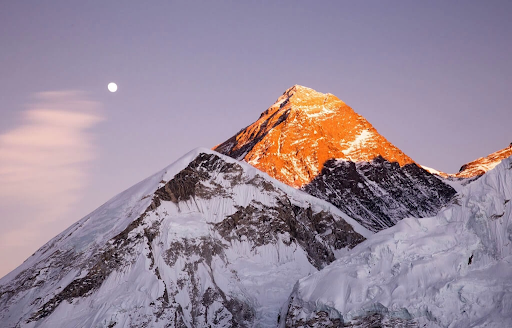
The Everest Base Camp Budget Trek is one of the most thrilling yet cost-effective adventures available in the Himalayas. Every year, thousands of trekkers dream of standing at the base of Mount Everest (8,848.86m), but many assume it requires a large financial commitment. In reality, trekking to Everest Base Camp (EBC) can be accomplished on a reasonable budget without compromising on safety, scenery, or the overall experience. With careful planning, smart choices, and the right itinerary, the Everest Base Camp Budget Trek becomes an accessible adventure for students, backpackers, and cost-conscious travelers who want to witness the majesty of the world’s highest mountain.
Why Choose a Budget Trek to Everest Base Camp?
The primary reason travelers choose a budget trek is to experience the magic of the Khumbu region without spending thousands of dollars. While luxury treks offer high-end lodges, private guides, and advanced amenities, a budget trek provides a close and authentic look at the culture, landscapes, and natural wonders of the Everest region.
A budget trek still includes the essentials:
- Comfortable teahouse accommodations
- Nutritious local meals
- Necessary permits
- A professional guide or independent trekking option
- The same breathtaking scenery and iconic viewpoints
The difference lies in simplifying the journey and choosing cost-friendly options that still allow for a safe and enriching experience.
Planning an Affordable Everest Base Camp Trek
1. Choose Local Teahouses Over Luxury Lodges
Teahouse trekking is the most affordable and authentic way to experience the Everest Base Camp trail. These family-run lodges provide basic rooms, warm meals, and a cozy environment. While facilities may be simple, trekkers often find the atmosphere more personal and culturally rich.
2. Travel in the Right Season
Peak seasons (March–May and September–November) offer the best weather, but accommodation and flight prices tend to be higher. For budget travelers, the shoulder seasons — late February, early June, or late November — can provide lower prices while still offering acceptable trekking conditions.
3. Trek With a Small Group or Independently
Group trekking helps reduce the cost of guides and porters. Solo backpackers on a tight budget sometimes trek independently, though hiring at least a guide is recommended for safety and cultural insight.
4. Fly Smart to Lukla
The flight from Kathmandu to Lukla is one of the major costs. Booking early and traveling in less busy seasons can reduce the price significantly. Some trekkers even choose the more adventurous but cheaper jeep-to-Salleri option, adding a few days of hiking but lowering cost.
5. Eat Simple and Local
Food prices increase with elevation, so choosing local dishes like dal bhat, soups, or noodles is the most cost-effective option. Avoiding imported snacks and bottled drinks also helps keep the budget in check.
What to Expect on the Everest Base Camp Budget Trek
Although budget-friendly, the journey still covers all the major highlights of the classic Everest trail. The trek typically lasts 12–14 days, giving ample time for acclimatization and immersive exploration.
Lukla – Gateway to the Trek
The adventure begins with the iconic flight to Lukla Airport, perched dramatically on the mountainside. The first day’s walk is an easy introduction to the trail, leading through charming settlements, suspension bridges, and lush forest landscapes.
Namche Bazaar – Sherpa Capital
The bustling town of Namche Bazaar is a hub for trekkers and Sherpas alike. Here, budget trekkers find plenty of affordable tea houses, bakeries, and shops. With an extra acclimatization day, visitors often hike to the Everest View Hotel or Khumjung Village for panoramic mountain views.
Tengboche – Spiritual Center of the Khumbu
Tengboche is home to the region’s most famous monastery, Tengboche Monastery, surrounded by stunning peaks such as Ama Dablam and Thamserku. Many trekkers attend the peaceful morning prayers, a highlight of the journey.
Dingboche and Lobuche – Higher Altitude Challenges
As the landscape transforms into alpine terrain, trekkers experience colder temperatures and thinner air. Budget accommodations remain simple but adequate, providing hearty meals and warm beds after long trekking days.
Everest Base Camp – An Unforgettable Achievement
Arriving at Everest Base Camp at 5,364m is the emotional climax of the trek. Seeing the Khumbu Icefall, expedition tents (in climbing season), and the massive Everest massif from up close is a dream fulfilled for countless travelers. It’s a moment of triumph that feels even sweeter when achieved on a modest budget.
Kala Patthar – Best View of Everest
The early-morning trek to Kala Patthar (5,545m) provides one of the best viewpoints in the Himalayas. The sight of Everest glowing gold during sunrise is something few trekkers forget.
Cost Breakdown of a Budget EBC Trek
A well-planned budget trek can be completed for $800 to $1200, depending on personal choices. Here is a simplified breakdown:
- Accommodation: $5–$10 per night in lower regions; $10–$15 at higher altitudes
- Meals: $20–$35 per day depending on choices
- Guide/Porter: $25–$30 per day (optional but recommended)
- Permits: Sagarmatha National Park Fee + Local Khumbu Permit
- Lukla flights: $150–$200 one way (budget travelers book early)
- Miscellaneous: Charging, Wi-Fi, hot showers, snacks
By minimizing luxuries and planning ahead, trekkers can enjoy the Everest region without overspending.
Benefits of Choosing a Budget Trek
1. Authentic Cultural Experience
Staying in simple teahouses means experiencing the journey the way Sherpas and local trekkers have for decades.
2. Financial Accessibility
The affordability makes one of the world’s most famous treks open to students, backpackers, and adventure travelers on a budget.
3. Flexible Pace
Budget trekking itineraries are adaptable, allowing travelers to choose their own pace while adjusting to altitude.
4. The Same Views at a Lower Cost
Whether budget or luxury, the mountains remain equally majestic — Everest does not change.
Conclusion
The Everest Base Camp Budget Trek is proof that adventure does not have to be expensive. With thoughtful planning and simple accommodations, budget travelers can explore the breathtaking landscapes, rich Sherpa culture, and world-famous peaks of the Everest region at an affordable cost. From the lively streets of Namche Bazaar to the icy beauty of Everest Base Camp, every step offers new discoveries and unforgettable moments. For those seeking an extraordinary Himalayan experience without stretching their finances, the Everest Base Camp Budget Trek is the perfect blend of affordability, challenge, and pure mountain magic.
