



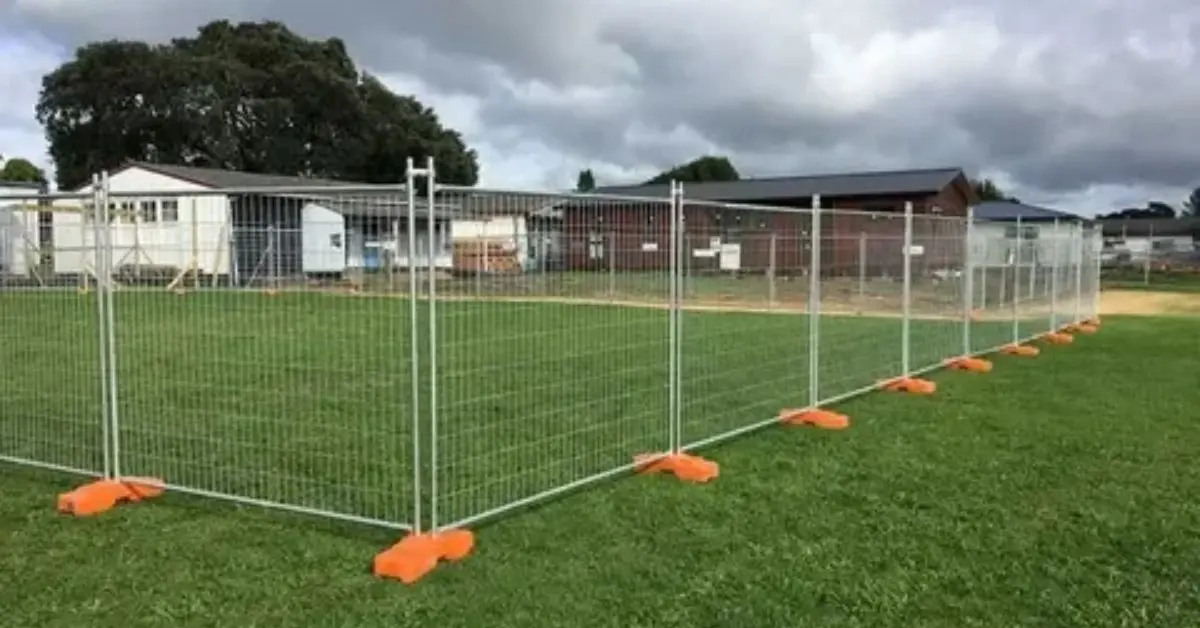
Temporary fencing is an essential solution for construction sites, events, crowd control, and various other short-term needs. Choosing the right material for temporary fence is critical to ensure safety, durability, and cost-effectiveness. In this article, we will explore the most common materials used for temporary fencing and their advantages and disadvantages, helping you make an informed decision.
1. Chain Link Fencing
Chain link fencing is one of the most popular choices for temporary fencing. It consists of interwoven galvanized steel wires forming a strong and durable mesh.
Advantages:
- High durability and resistance to impact.
- Provides good visibility while maintaining security.
- Reusable for multiple projects.
Disadvantages:
- Heavier and more difficult to transport compared to other materials.
- Installation can be time-consuming.
Chain link fencing is ideal for construction sites and areas requiring high security, making it a reliable choice for temporary applications.
2. Plastic or PVC Fencing
Plastic or PVC fencing is lightweight and easy to install, making it a common choice for crowd control at events or to temporarily mark boundaries.
Advantages:
- Lightweight and portable.
- Easy to install and remove.
- Resistant to corrosion and rust.
Disadvantages:
- Less durable than metal options.
- Can be damaged by strong winds or heavy impact.
Plastic fencing is best suited for short-term projects where mobility and ease of installation are priorities.
3. Steel Panel Fencing
Steel panel fencing consists of pre-fabricated panels made from steel, which are often used in construction zones and industrial areas.
Advantages:
- Extremely strong and durable.
- Can be reused for multiple projects.
- Provides a high level of security.
Disadvantages:
- Heavy and difficult to move.
- Higher initial cost compared to plastic fencing.
Steel panels are ideal when security and durability are non-negotiable factors.
4. Wood Fencing
Temporary wood fencing is sometimes used for aesthetic purposes at events or to delineate specific areas.
Advantages:
- Natural appearance that blends well with landscapes.
- Easy to cut and customize.
Disadvantages:
- Prone to weather damage.
- Not as strong or durable as metal options.
Wood fencing is suitable for short-term decorative or event-related purposes but may not be the best for high-security needs.
Conclusion
When comparing different materials for temporary fencing, it is clear that each material offers unique benefits depending on the application. Chain link and steel panels excel in durability and security, while plastic fencing offers ease of installation and portability. Wood fencing, on the other hand, provides aesthetic appeal for events. By evaluating your specific needs—such as security, cost, and mobility—you can select the most appropriate temporary fencing material for your project.
