


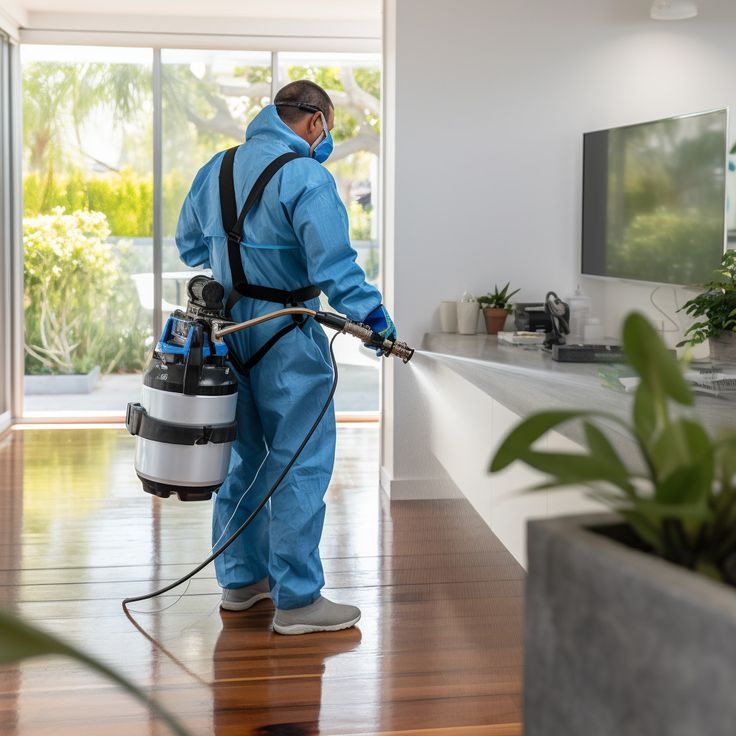
Modern households are increasingly seeking alternatives to traditional chemical pesticides, driven by concerns about health, environmental impact, and long-term sustainability. Eco-friendly and natural budget pest control solutions offer effective ways to manage insects, rodents, and other unwanted intruders without relying on harsh chemicals. By combining prevention, natural deterrents, and integrated strategies, homeowners can protect their homes while minimizing harm to people, pets, and the environment.
Contents
ToggleWhy Choose Eco-Friendly Pest Control?
-
Health Benefits
-
Chemical pesticides can pose risks to children, pets, and individuals with respiratory or skin sensitivities.
-
Natural solutions reduce exposure to toxic substances while still managing pest populations.
-
-
Environmental Protection
-
Traditional pesticides can contaminate soil, water, and local wildlife.
-
Eco-friendly methods help preserve biodiversity and maintain ecological balance.
-
-
Sustainable Practices
-
Using preventive measures and natural deterrents fosters long-term pest management.
-
Reduces reliance on repeated chemical applications, lowering environmental footprint.
-
Preventive Measures for Natural Pest Control
Prevention is the cornerstone of eco-friendly pest management:
-
Maintain Cleanliness: Regularly clean kitchens, dining areas, and trash bins to eliminate food sources.
-
Seal Entry Points: Close gaps in walls, doors, and windows to prevent insects and rodents from entering.
-
Proper Food Storage: Use airtight containers and refrigerate perishables promptly.
-
Outdoor Maintenance: Trim plants, remove standing water, and keep compost or firewood away from the home.
Natural Pest Control Solutions
1. Essential Oils and Plant Extracts
-
Oils like peppermint, eucalyptus, citronella, and tea tree act as natural repellents.
-
Can be applied in diluted form on surfaces or used in diffusers to deter insects such as ants, spiders, and mosquitoes.
2. Diatomaceous Earth (DE)
-
A fine powder made from fossilized algae, DE damages the exoskeleton of insects, leading to dehydration.
-
Safe for humans and pets when applied correctly, effective against ants, bedbugs, and cockroaches.
3. Biological Controls
-
Introduce natural predators such as ladybugs, predatory mites, or nematodes to control pest populations in gardens or outdoor spaces.
-
Encourages ecological balance rather than eradication.
4. Homemade Traps and Barriers
-
Sticky traps capture insects without chemicals.
-
Bottle traps or sugar-water traps attract and contain pests like fruit flies.
-
Physical barriers like mesh screens prevent entry of larger pests.
5. Natural Repellents
-
Substances such as vinegar, garlic, or cayenne pepper can deter pests when used strategically.
-
Coffee grounds can help repel ants in gardens or along entry points.
Integrated Pest Management (IPM) Approach
Eco-friendly pest control works best as part of an Integrated Pest Management strategy, which combines:
-
Monitoring: Regular inspections to detect pest activity early.
-
Cultural Controls: Adjusting environment to reduce pest attraction (cleaning, humidity control, and decluttering).
-
Mechanical Controls: Traps, barriers, and physical removal.
-
Biological Controls: Leveraging natural predators and ecological balance.
-
Chemical Controls as a Last Resort: Only environmentally friendly or low-toxicity options are used if necessary.
Benefits of Eco-Friendly Methods
-
Safe for children and pets: Reduces accidental exposure to harmful substances.
-
Environmentally responsible: Minimizes contamination of soil, water, and air.
-
Sustainable over time: Builds long-term solutions rather than temporary fixes.
-
Cost-effective: Preventive and natural methods often require less ongoing expenditure than repeated chemical treatments.
Conclusion
Moving beyond chemical sprays, eco-friendly and natural pest control solutions offer a healthier, safer, and sustainable approach to protecting homes. By combining preventive practices, natural repellents, and integrated management strategies, homeowners can effectively control pests while minimizing harm to the environment. Embracing these methods not only keeps living spaces pest-free but also contributes to a greener, healthier world for both people and wildlife.
