



Modern customers rarely make decisions after one interaction. They may see a brand on social media, search for reviews, visit a website, compare competitors and return later before making an enquiry. This means businesses need a marketing strategy that is connected, measurable and focused on commercial outcomes. Visibility alone is no longer enough. Marketing needs to create attention, build trust and guide customers towards action.
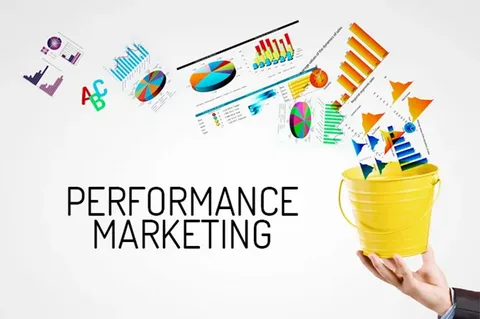
Working with a performance marketing agency can help businesses shift from activity-based marketing to outcome-led growth. Performance marketing focuses on measurable results, such as leads, enquiries, sales, bookings and return on investment. Instead of simply running campaigns, businesses can use data to understand what is working, where opportunities exist and how budget should be allocated.
A performance-led strategy begins with clear goals. Businesses need to define what success looks like before launching campaigns. For one company, success may mean more qualified leads. For another, it may mean ecommerce sales, app downloads or consultation bookings. Once the goal is clear, channels, messaging and landing pages can be aligned around that objective.
Paid search is often useful for capturing high-intent demand. When someone searches for a specific product or service, they are already showing interest. A well-structured campaign can place a business in front of that person at the right moment. However, paid search requires careful management. Keywords, ad copy, bidding, negative keywords and conversion tracking all need to be reviewed regularly to avoid wasted spend.
Social advertising plays a different but equally important role. It can introduce a brand to new audiences, re-engage previous visitors and nurture prospects who are not ready to convert immediately. Platforms such as Facebook, Instagram, LinkedIn and TikTok allow businesses to reach people based on interests, behaviours, demographics and engagement history. This makes social campaigns valuable across awareness, consideration and conversion stages.
Partnering with a social media advertising agency can help businesses create campaigns that are structured around audience intent and creative performance. Successful social advertising is not just about posting attractive visuals. It requires audience research, campaign planning, creative testing, landing page alignment and ongoing optimisation.
Creative quality is one of the biggest drivers of social media performance. People scroll quickly, so the message needs to capture attention within seconds. Strong visuals, short videos, clear headlines and customer-focused offers can help improve engagement. However, creative should not only be eye-catching. It should communicate value and encourage the next step in the journey.
Audience segmentation is also important. A person who has never heard of a brand needs a different message from someone who has already visited the website. Awareness campaigns can introduce the business, consideration campaigns can educate prospects and remarketing campaigns can encourage warmer audiences to enquire or purchase. This staged approach can improve relevance and reduce wasted budget.
Landing pages have a major impact on campaign success. When users click an ad, they expect the page to match the message they saw. If the page is slow, generic or confusing, they may leave quickly. A strong landing page should explain the offer, provide proof points and make the next step easy. Testimonials, reviews, case studies, awards and concise enquiry forms can help build confidence.
Measurement is essential. Businesses should look beyond impressions, likes and clicks. These metrics can provide useful context, but they do not show the full commercial picture. More valuable indicators include cost per lead, conversion rate, lead quality, sales outcomes and customer acquisition cost. When reporting connects marketing activity to business impact, decision-making becomes more strategic.
Performance marketing also benefits from testing. Campaigns should be treated as evolving assets rather than fixed plans. Businesses can test different audiences, offers, headlines, images, videos and landing page layouts. Even small improvements can create meaningful gains over time. A better call to action or more relevant audience segment can reduce costs and increase conversions.
Integration strengthens the entire digital ecosystem. Paid search can capture immediate demand, social advertising can build awareness, email marketing can nurture leads and website optimisation can improve conversion. When these channels share data, businesses gain clearer insight into the customer journey. This helps teams understand which touchpoints are influencing results.
Customer relationship management systems can also improve performance. When leads flow into a CRM, businesses can track what happens after the enquiry. This helps identify which campaigns generate genuine sales opportunities, not just form submissions. It also supports faster follow-up, which can be critical when prospects are comparing multiple providers.
The future of digital advertising will continue to evolve as automation, artificial intelligence and privacy changes reshape campaign management. Businesses that rely only on platform defaults may struggle to maintain strong performance. Those that combine strategic thinking, quality creative, accurate tracking and continuous optimisation will be better positioned to grow.
For Australian businesses, performance marketing and social advertising offer a practical pathway to scalable growth. The opportunity is not simply to generate more traffic. It is to reach the right people, communicate with relevance and convert digital attention into measurable outcomes. When strategy, data and creative execution work together, marketing becomes a genuine driver of business momentum.
