



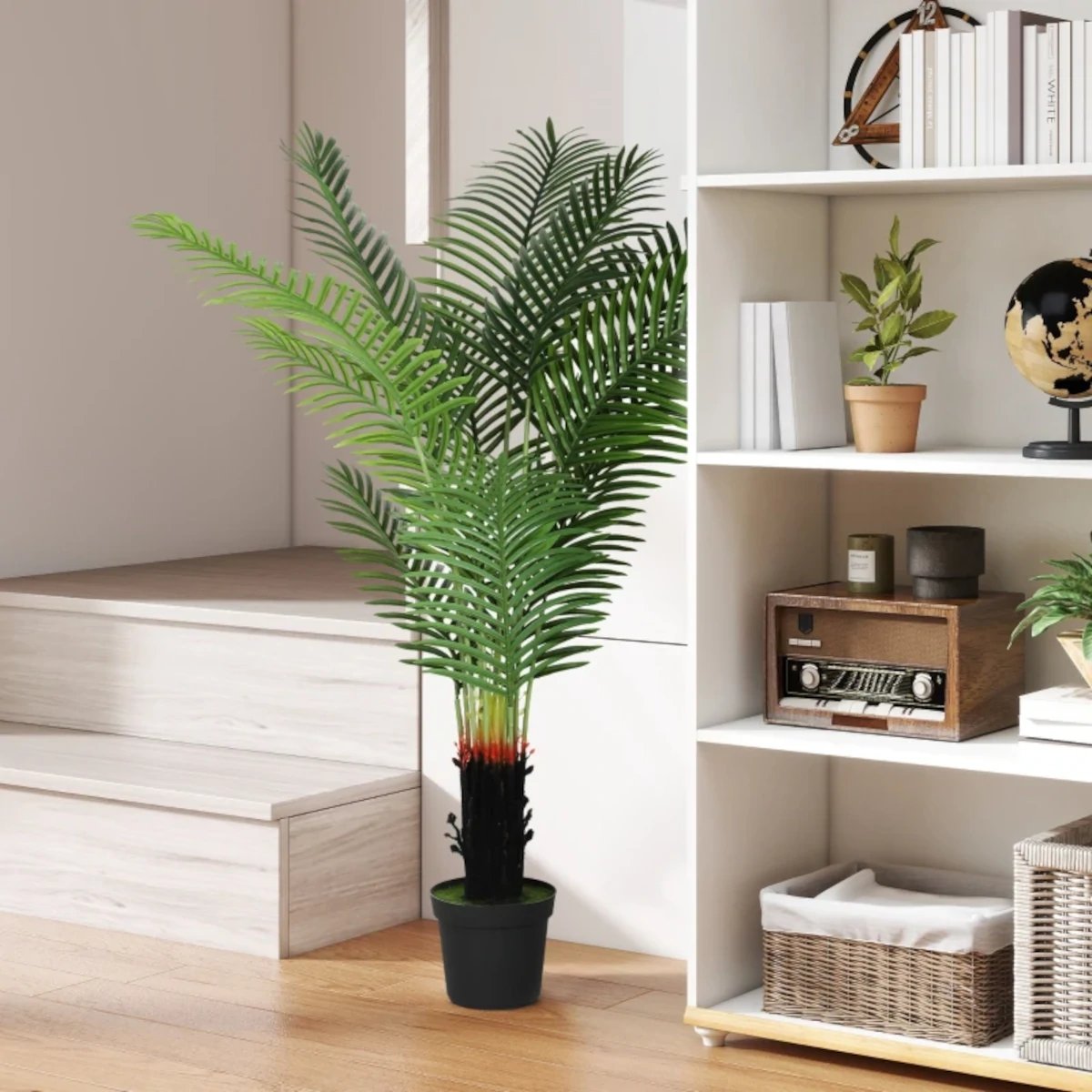
Decorating small spaces can feel limiting, especially when you want to add statement décor like greenery. The good news is that large artificial trees indoor can transform even the tiniest room into a vibrant, stylish space—if you place them strategically. With the right positioning, these trees can create the illusion of space, add depth, and enhance your interior without overwhelming it.
In this guide, we’ll explore smart placement ideas that help you make the most of large artificial trees, even when square footage is tight.
Why Large Artificial Trees Work in Small Spaces
It might seem counterintuitive to use large décor in a small room, but oversized elements can actually make a space feel bigger when used correctly. Large artificial trees offer vertical interest, draw the eye upward, and reduce visual clutter compared to multiple smaller decorations.
They also come with practical benefits:
- No maintenance or watering
- Consistent appearance year-round
- Flexibility to move and reposition easily
- No dependency on sunlight
1. Utilize Empty Corners
Corners are often underused in small spaces, making them ideal for placing large artificial trees.
A tall faux tree—like a fiddle leaf fig or palm—fits neatly into a corner without disrupting walking paths. This placement:
- Maximizes unused space
- Adds height without taking central floor area
- Softens sharp room edges
For best results, choose a slim-profile tree that doesn’t spread too wide.
2. Place Near Windows for a Natural Look
Even though artificial trees don’t need sunlight, placing them near windows creates a more realistic and organic feel.
This trick works especially well because:
- Natural light enhances the texture and color of the leaves
- It mimics how real plants are typically placed
- It visually connects indoor and outdoor environments
Avoid blocking too much light—opt for airy designs like olive trees or bamboo.
3. Anchor Furniture Layouts
Large artificial trees can act as visual anchors in small rooms.
Try placing one:
- Next to a sofa or accent chair
- At the end of a bed
- Beside a TV unit or console table
This helps define zones within a compact space and makes the layout feel intentional rather than cramped.
4. Use Vertical Emphasis to Your Advantage
In small spaces, vertical design is key. Tall artificial trees draw the eye upward, making ceilings appear higher.
To enhance this effect:
- Choose trees with a height of 5–7 feet
- Pair them with low-profile furniture
- Keep surrounding décor minimal
This creates a sense of openness without sacrificing style.
5. Place in Entryways or Narrow Hallways
Entryways and hallways are often overlooked when decorating. A slim large artificial tree can instantly elevate these areas.
Benefits of this placement include:
- Creating a welcoming first impression
- Adding personality to transitional spaces
- Utilizing narrow, unused floor areas
Make sure the tree doesn’t obstruct movement—opt for a narrow base and upright design.
6. Highlight Awkward or Dead Spaces
Every small home has those awkward spots—empty corners, gaps between furniture, or unused niches.
Large artificial trees indoor are perfect for:
- Filling empty wall gaps
- Balancing asymmetrical layouts
- Covering unattractive areas like exposed wiring or blank walls
Instead of leaving these spaces empty, turn them into focal points.
7. Pair with Mirrors to Create Depth
Mirrors are a classic trick for making small spaces feel bigger. When combined with artificial trees, the effect is even more powerful.
Place a tree:
- In front of or beside a large mirror
- Near mirrored furniture or panels
This reflects the greenery and creates the illusion of doubled space, making the room feel brighter and more open.
8. Use Minimalist Planters
In small spaces, bulky pots can make a room feel crowded. Instead, choose sleek, minimalist planters.
Ideal options include:
- Neutral tones like white, black, or beige
- Slim cylindrical shapes
- Elevated stands for added height
This keeps the focus on the tree while maintaining a clean, uncluttered look.
9. Create a Statement Without Clutter
Instead of filling your space with multiple décor items, let one large artificial tree do the talking.
A single well-placed tree:
- Acts as a focal point
- Reduces visual noise
- Makes the room feel curated and intentional
Less really is more in small interiors.
10. Rotate and Experiment with Placement
One of the biggest advantages of artificial trees is flexibility. Don’t hesitate to move them around until you find the perfect spot.
Try:
- Seasonal rearrangements
- Switching between rooms
- Testing different angles and corners
This keeps your space feeling fresh without buying new décor.
Final Thoughts
Decorating small spaces doesn’t mean you have to compromise on style or greenery. With thoughtful placement, large artificial trees indoor can enhance your home, making it feel more spacious, elegant, and inviting.
The key is to focus on balance—use vertical space, avoid clutter, and place your tree where it adds value without blocking movement. Whether it’s a cozy corner, a bright window spot, or an entryway statement, the right placement can completely transform your space.
If you approach it strategically, even the smallest room can feel like a lush, stylish retreat.
