



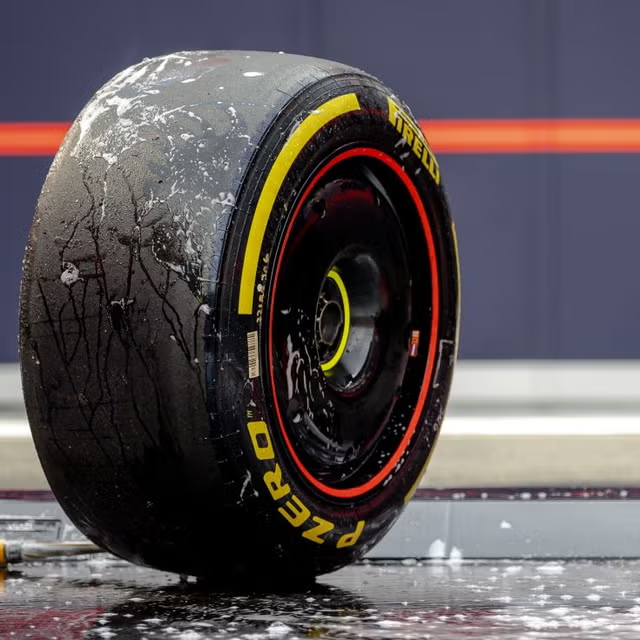
When it comes to pure performance on the track, few components matter as much as your tires. Among all options available, racing slicks stand out as the ultimate choice for grip, precision, and lap-time consistency. Unlike street tires, racing slicks are designed without tread patterns, maximizing the rubber-to-road contact area. But while they excel under ideal conditions, their performance can vary significantly depending on the track environment. Understanding how they behave across different conditions is essential for drivers looking to extract every ounce of performance.
What Makes Racing Slicks Unique?
Racing slicks are engineered for dry, controlled racing environments. Their smooth surface allows for maximum contact patch, which translates into exceptional grip levels. These tires are also built using specialized rubber compounds that heat up quickly and operate within a specific temperature window.
However, this same design that gives them superior performance also makes them highly sensitive to changes in temperature, moisture, and track surface conditions.
Performance on Dry Tracks
Dry conditions are where racing slicks truly shine. With no tread blocks interrupting the contact patch, the tire can fully engage with the asphalt.
On a properly warmed-up dry track:
- Grip levels are at their highest
- Braking distances are significantly reduced
- Cornering speeds increase dramatically
- Tire wear is more predictable
The key factor here is temperature. Racing slicks need to reach their optimal operating range to deliver peak performance. If they are too cold, grip drops noticeably. Once heated, however, they provide unmatched traction and responsiveness.
Performance on Wet Tracks
This is where racing slicks struggle the most. Without grooves to channel water away, slick tires are extremely prone to hydroplaning.
In wet conditions:
- Water builds up between the tire and track surface
- Grip levels drop drastically
- Steering and braking become unpredictable
- Lap times increase significantly
Even a slightly damp track can reduce effectiveness. Drivers often switch to wet or intermediate tires in these situations, as racing slicks simply cannot disperse water efficiently.
Damp or Mixed Conditions
Damp tracks present a tricky middle ground. Racing slicks can still be usable, but performance depends on how much moisture is present.
If the track is only slightly damp:
- Slicks may still generate enough heat to maintain grip
- Drivers need to be cautious with throttle and braking inputs
- Racing lines may shift to avoid wet patches
However, if moisture levels increase even slightly, grip can fall off quickly. This makes tire choice and timing critical during changing weather conditions.
Cold Track Conditions
Temperature plays a major role in how racing slicks perform. On a cold track, even if it’s dry, the tires may struggle to reach their ideal operating range.
In cold conditions:
- Tires take longer to warm up
- Initial grip is significantly lower
- Drivers may experience sliding or reduced traction
- Tire wear can become uneven
Teams often use tire warmers or adjust driving style during the first few laps to bring the tires up to temperature.
Hot Track Conditions
Hot weather and track surfaces can push racing slicks to the other extreme. While heat is necessary, too much of it can degrade performance.
In very hot conditions:
- Tires can overheat, reducing grip
- Rubber may become too soft and wear quickly
- Consistency drops over longer sessions
Managing tire pressure and driving style becomes crucial here. Smooth inputs help prevent overheating and extend tire life.
Rough vs. Smooth Track Surfaces
The texture of the track also impacts how racing slicks behave.
Smooth Surfaces
- Provide consistent grip
- Cause less tire wear
- Allow for stable handling
Rough or Abrasive Surfaces
- Increase tire wear significantly
- Generate more heat
- Can improve grip initially but degrade tires faster
Drivers and teams often adjust tire compounds based on surface roughness to balance grip and durability.
Rubbered-In vs. Green Tracks
Track evolution is another important factor.
Rubbered-In Tracks
- Have a layer of deposited tire rubber
- Offer higher grip levels
- Improve lap times as sessions progress
Green Tracks (Low Rubber)
- Provide less grip initially
- Can feel slippery or unpredictable
- Require more caution, especially with slick tires
Racing slicks perform best once a track has been properly rubbered in.
Managing Racing Slicks Across Conditions
To get the best out of racing slicks, drivers and teams must constantly adapt:
- Monitor tire temperatures and pressures
- Adjust driving style based on grip levels
- Choose the right compound for conditions
- Time tire changes carefully during races
Even small changes in weather or track surface can significantly impact performance, making tire management a key part of racing strategy.
Final Thoughts
Racing slicks are the pinnacle of track tire performance, but they are far from versatile. They thrive in warm, dry, and stable conditions, delivering unmatched grip and precision. However, their performance drops quickly in wet, cold, or inconsistent environments.
Understanding how racing slicks behave across different track conditions allows drivers to make smarter decisions, improve lap times, and maintain control in challenging situations. In racing, where fractions of a second matter, knowing your tires can be just as important as knowing your car.
