



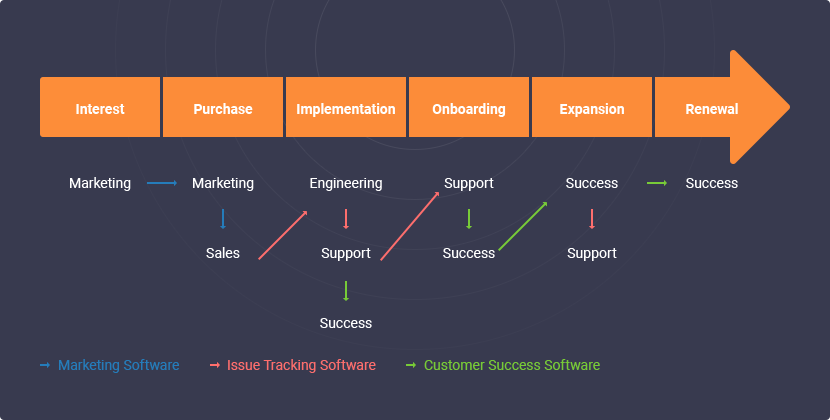
In today’s competitive business landscape, understanding your customers is no longer optional—it’s essential. Customer journey tracking has emerged as a vital tool for businesses aiming to enhance engagement, improve conversions, and foster long-term loyalty. By mapping every touchpoint a customer interacts with, companies can gain actionable insights that drive smarter decisions.
What is Customer Journey Tracking?
At its core, customer journey tracking is the process of monitoring and analyzing the path a customer takes from the moment they become aware of a product or service to the point of purchase and beyond. This includes interactions across multiple channels—social media, email campaigns, websites, and even in-store experiences. By capturing these touchpoints, businesses can understand customer behavior, preferences, and pain points more clearly.
Why Customer Journey Tracking Matters
Implementing effective customer journey tracking provides several crucial benefits:
-
Improved Customer Experience – By identifying friction points, companies can optimize processes to make the customer experience smoother and more enjoyable.
-
Higher Conversion Rates – Understanding where customers drop off helps businesses design targeted strategies that encourage purchases.
-
Personalized Marketing – Insights from journey tracking allow for tailored communication, making customers feel understood and valued.
-
Informed Decision Making – Businesses can base strategies on real data rather than assumptions, reducing costly mistakes.
Key Stages of the Customer Journey
While each customer’s journey is unique, it typically follows several stages:
-
Awareness: The customer discovers a brand through advertising, social media, or word-of-mouth.
-
Consideration: They research products or services, comparing options and reading reviews.
-
Purchase: The customer makes a decision and completes a transaction.
-
Retention: Businesses engage customers post-purchase to encourage repeat business.
-
Advocacy: Satisfied customers become promoters, sharing positive experiences and driving referrals.
Tracking these stages helps businesses identify gaps, streamline touchpoints, and anticipate customer needs.
Tools and Techniques for Effective Tracking
Modern technology has made customer journey tracking more sophisticated than ever. Some popular approaches include:
-
Web Analytics Tools: Platforms that track website traffic, clicks, and engagement metrics.
-
CRM Systems: Customer relationship management software consolidates interaction data across channels.
-
Heatmaps and Session Recordings: Visual tools to understand how users navigate websites.
-
Surveys and Feedback: Direct insights from customers about their experiences.
Combining multiple tools often yields the most comprehensive view of the customer journey.
Challenges and Considerations
While the benefits are significant, businesses must navigate certain challenges:
-
Data Integration: Combining data from various channels can be complex.
-
Privacy Concerns: Customers are increasingly aware of how their data is used, making compliance with privacy laws essential.
-
Dynamic Behavior: Customer preferences evolve, requiring continuous monitoring and adaptation.
Addressing these challenges ensures that customer journey tracking remains effective and ethical.
The Future of Customer Journey Tracking
As technology advances, customer journey tracking will become even more predictive and personalized. AI-driven analytics and real-time tracking will allow businesses to anticipate customer needs before they arise, creating truly proactive customer experiences. Organizations that invest in understanding the full journey of their customers will not only retain loyalty but also gain a competitive edge in their industries.
Conclusion
Customer journey tracking is more than a data exercise—it’s a strategic approach to understanding, serving, and delighting customers. By investing in the right tools, analyzing key touchpoints, and continuously refining strategies, businesses can transform interactions into meaningful experiences that drive growth and brand loyalty. In a market where customer expectations are constantly rising, tracking the journey isn’t just smart—it’s essential.
