



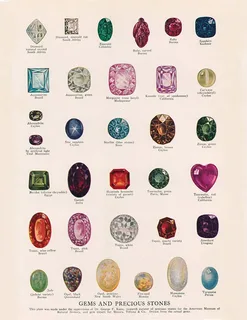
Gemstones have fascinated humanity for thousands of years. From ancient talismans to modern jewelry collections, these natural treasures carry beauty, symbolism, and value. This Gemstone Encyclopedia: Meanings, Properties, and Identification Guide is designed to help you understand the deeper significance of gemstones, their physical and metaphysical properties, and how to identify them accurately.
Whether you’re a collector, jewelry enthusiast, or curious beginner, this guide will serve as a helpful starting point.
What Is a Gemstone?
A gemstone is a mineral (and sometimes organic material like pearl or amber) that has been cut and polished for use in jewelry or decoration. To qualify as a gemstone, a material typically must have:
-
Beauty – Attractive color, brilliance, or unique visual effect
-
Durability – Resistance to scratching and breaking
-
Rarity – Limited availability in nature
Common gemstones include diamonds, rubies, sapphires, emeralds, amethyst, and topaz.
Gemstone Meanings and Symbolism
Throughout history, gemstones have been associated with symbolic meanings and spiritual properties. Different cultures attribute various powers and emotions to specific stones.
Diamond – Strength and Purity
Diamonds symbolize eternal love, clarity, and strength. Often used in engagement rings, they represent commitment and resilience.
Ruby – Passion and Vitality
Rubies are associated with love, courage, and life force energy. Ancient warriors believed rubies provided protection in battle.
Emerald – Growth and Harmony
Emeralds represent renewal, wisdom, and balance. They are often linked to the heart and emotional healing.
Amethyst – Calm and Spiritual Awareness
Amethyst is believed to promote peace, intuition, and protection against negative energy.
A comprehensive Gemstone Encyclopedia: Meanings, Properties, and Identification Guide helps readers explore these symbolic associations in depth.
Physical and Metaphysical Properties
Gemstones are valued not only for their appearance but also for their unique physical and metaphysical properties.
Physical Properties
Key physical characteristics include:
-
Hardness – Measured on the Mohs scale (Diamond ranks 10)
-
Color – Caused by trace elements or structural defects
-
Clarity – Presence or absence of inclusions
-
Luster – How light reflects from the surface
-
Crystal Structure – The internal arrangement of atoms
Understanding these properties is essential for accurate gemstone identification.
Metaphysical Properties
Many people believe gemstones influence emotional and spiritual well-being. For example:
-
Rose Quartz is associated with love and compassion
-
Citrine is believed to attract prosperity
-
Black Tourmaline is thought to offer protection
While metaphysical beliefs are not scientifically proven, they remain an important part of gemstone traditions.
How to Identify Gemstones
Correct identification requires careful observation and sometimes professional testing. Here are the main steps:
1. Examine Color and Transparency
Look at the stone under natural light. Note its hue, saturation, and whether it is transparent, translucent, or opaque.
2. Check Hardness
A scratch test (performed carefully) can help determine hardness. Professionals use standardized tools to avoid damage.
3. Observe Inclusions
Natural gemstones often contain inclusions—tiny internal features that help distinguish them from synthetic stones.
4. Test Refractive Index
Gemologists use refractometers to measure how light bends within the stone.
5. Seek Professional Certification
For high-value stones, always request certification from reputable gemological laboratories.
A reliable Gemstone Encyclopedia: Meanings, Properties, and Identification Guide provides detailed charts and comparison tools to simplify this process.
Natural vs. Synthetic vs. Imitation Stones
Understanding the difference between stone types is crucial:
-
Natural Gemstones – Formed in the earth without human intervention
-
Synthetic Gemstones – Lab-created but chemically identical to natural stones
-
Imitation Stones – Look similar but have different chemical compositions
Proper identification ensures you know exactly what you are purchasing.
Why a Gemstone Encyclopedia Is Valuable
A well-organized Gemstone Encyclopedia: Meanings, Properties, and Identification Guide serves as a trusted reference for buyers, sellers, collectors, and enthusiasts. It combines historical symbolism, scientific data, and practical identification techniques in one comprehensive resource.
By learning gemstone meanings, understanding their physical properties, and mastering identification basics, you can make informed decisions and appreciate the natural beauty of these remarkable stones even more.
Final Thoughts
Gemstones are more than decorative objects—they carry stories, cultural traditions, and scientific wonder. With the help of a detailed gemstone guide, you can explore their meanings, examine their properties, and confidently identify them.
Whether you’re building a collection or choosing a meaningful piece of jewelry, knowledge is your most valuable gem.
