



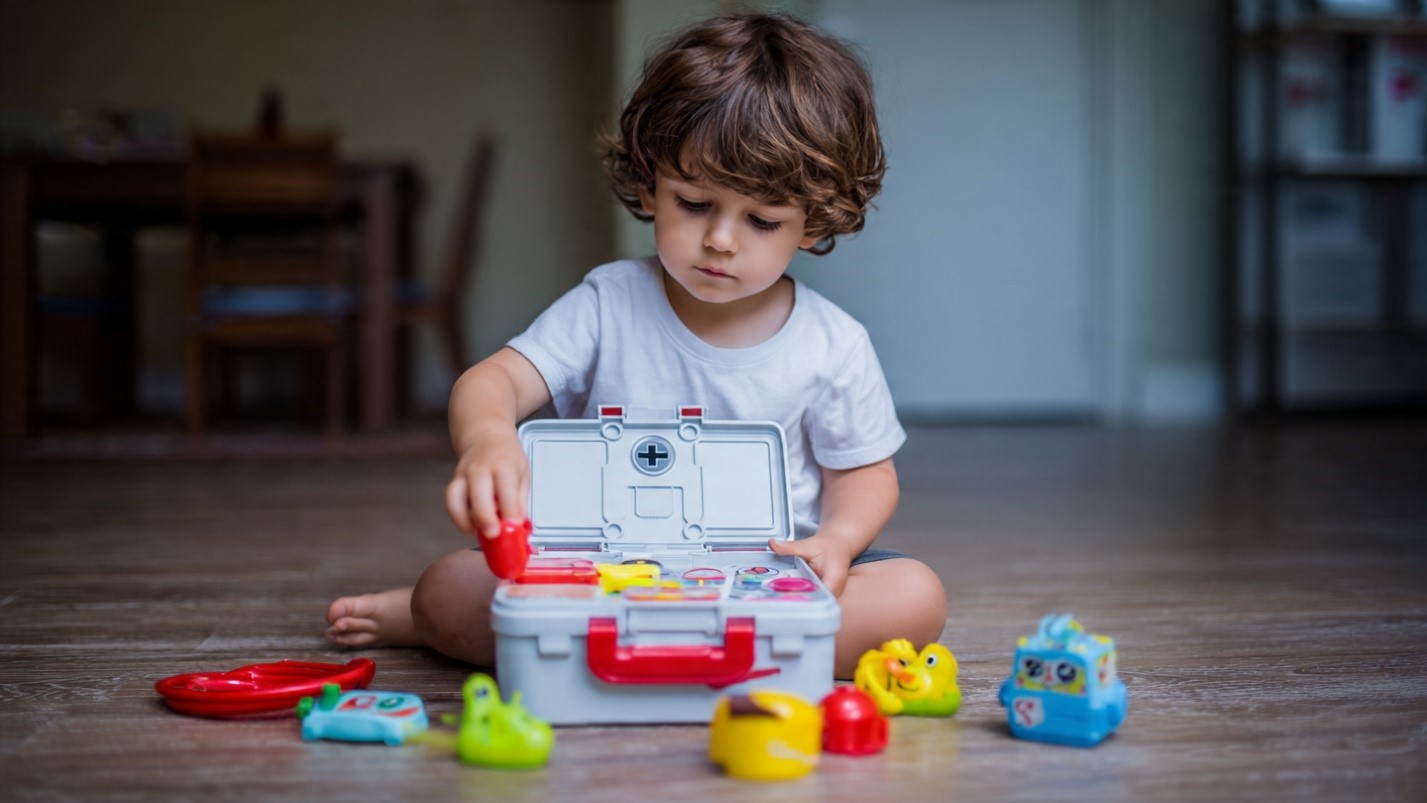
Watching children immerse themselves in imaginative worlds is one of the joys of parenting. Whether they’re pretending to be chefs, doctors, superheroes, or shopkeepers, pretend play is more than fun — it’s a vital part of their development. Pretend play toys encourage creativity, problem-solving, social skills, and emotional growth, all while keeping kids engaged and entertained.
Finding the right toys to foster this creativity can be tricky. For parents in Pakistan seeking quality and safe options, a Best toy shop for kids is an ideal starting point. These toys help children explore different roles, scenarios, and ideas in a structured yet playful way.
Why Pretend Play Matters
Pretend play allows children to explore the world from multiple perspectives. It encourages them to experiment with ideas, test boundaries, and understand social interactions.
I’ve noticed in my own home that when my toddler dresses up as a doctor or chef, she isn’t just playing — she’s learning empathy, communication, and decision-making. She talks through scenarios, problem-solves challenges, and even negotiates roles with her siblings. This type of play builds both cognitive and emotional skills.
Cognitive Development Benefits
Pretend play toys stimulate thinking in creative ways:
- Problem-solving: Figuring out how to act out scenarios or use props effectively
- Imagination: Creating unique stories or scenarios
- Language skills: Expanding vocabulary through dialogue and storytelling
For instance, my child’s toy kitchen encourages her to name ingredients, “cook” meals, and even plan a menu. Over time, her vocabulary and sequencing skills improved naturally, without any structured lessons.
Boosting Creativity
Pretend play toys are a gateway to unlimited creativity. A single toy can inspire dozens of storylines.
- Dress-up kits allow children to invent new characters.
- Play kitchens, doctor sets, or shops let them create scenarios and role-play.
- Puppets and figurines encourage storytelling and expressive play.
I remember one afternoon my toddler turned her toy kitchen into a restaurant for her stuffed animals. She created menus, assigned roles, and even “served” food. This type of play nurtures imagination while teaching organization, sequencing, and leadership skills.
Social and Emotional Development
Pretend play is also a social experience. Children often invite siblings, friends, or even parents into their scenarios. This fosters:
- Collaboration and teamwork
- Communication and negotiation skills
- Empathy and perspective-taking
When my daughter played “school” with her cousin, she naturally assumed the teacher’s role, learning patience and leadership, while her cousin learned cooperation. These interactions are critical for emotional intelligence and social growth.
Even solo pretend play has benefits. Children can explore emotions, practice decision-making, and test scenarios in a safe, controlled environment.
Types of Pretend Play Toys
There are many kinds of pretend play toys that can stimulate creativity:
- Dress-up costumes: Superheroes, doctors, chefs, animals — perfect for imaginative scenarios.
- Role-play sets: Kitchens, shops, doctor kits, and toolsets encourage realistic play.
- Puppets and figurines: Enable storytelling, dialogues, and creative interactions.
- Household replicas: Toy furniture, cash registers, and miniature accessories make imaginative play feel real.
- Creative kits: Toys that allow mixing, building, or crafting within pretend scenarios.
For parents wanting a curated selection of safe and engaging options, Pretend play toys for children are ideal. They provide tools that foster imagination while ensuring durability and safety.
How to Encourage Pretend Play
Pretend play becomes even more beneficial when parents create a supportive environment:
- Designate a play space: A corner with costumes, props, and toys encourages independent creativity.
- Follow the child’s lead: Let them choose roles and scenarios without imposing rules.
- Participate occasionally: Join in, but let the child guide the story.
- Rotate toys and props: Introduce new items to spark fresh ideas.
- Praise creativity and problem-solving: Highlight imaginative solutions rather than just the final play outcome.
Even a few minutes a day of guided or supported pretend play can significantly enhance creativity and learning.
Practical Tips for Parents
- Combine pretend play with daily routines: Children can “cook” meals while you prepare dinner.
- Encourage storytelling: Ask your child to explain the scenario or dialogue between characters.
- Introduce challenges: Add small tasks or objectives to make pretend play more structured, like serving a “meal” to all stuffed animals.
- Observe growth: Notice improvements in vocabulary, reasoning, or social skills over time.
These small adjustments make pretend play both fun and developmental.
Making Pretend Play Fun at Home
A simple cardboard box can become a spaceship, a castle, or a store. Props, costumes, and everyday items can fuel creativity without expensive toys. However, high-quality pretend play sets provide durability, realistic details, and safe materials that enhance the experience.
For example, a play kitchen from Pretend play toys for children is more than just a toy — it’s a tool for storytelling, role-play, and learning. My toddler spends hours cooking, cleaning, and even taking “orders” from her stuffed animal customers. The engagement is remarkable, and the skills learned are real.
Benefits Beyond Play
Pretend play isn’t just about fun. Research and parenting experiences show it contributes to:
- Language development: Through dialogue and storytelling
- Cognitive skills: Planning, sequencing, and problem-solving
- Social skills: Cooperation, empathy, and leadership
- Emotional regulation: Exploring different feelings safely
It’s a holistic approach that makes learning seamless and natural.
Conclusion
Pretend play toys are essential for nurturing creativity, cognitive skills, and social development in children. They allow kids to explore, imagine, and problem-solve in a safe, engaging environment. By providing high-quality, age-appropriate toys, parents can foster an environment that encourages growth, exploration, and joy.
For parents looking for trusted, safe options, a Best toy shop for kids offers a wide variety of pretend play toys. Their Pretend play toys for children collection ensures kids can enjoy imaginative, creative, and safe play while building essential life skills.
