



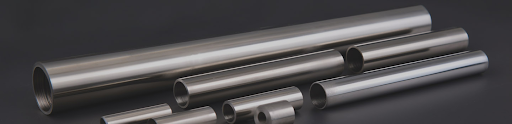
In today’s fast-growing industrial world, choosing the right materials for your projects can make a significant difference in performance, durability, and efficiency. One material that has been gaining attention in multiple industries is Tungsten Heavy Alloy. This special metal blend offers unique properties that can improve the quality and longevity of industrial projects. Understanding its benefits and applications can help businesses make informed decisions and achieve better results.
Understanding Tungsten Heavy Alloy
Tungsten Heavy Alloy is a type of metal that combines tungsten with other metals, such as nickel, iron, or copper. The primary feature of this alloy is its high density, which gives it excellent weight and strength characteristics. This density makes it ideal for applications where weight, stability, and durability are essential. Unlike other metals, Tungsten Heavy Alloy maintains its strength under high stress and temperature conditions, making it a reliable choice for heavy-duty industrial projects.
Strength and Durability in Industrial Applications
One of the most important advantages of Tungsten Heavy Alloy is its remarkable strength. This property ensures that parts made from the alloy can withstand harsh environments, high pressure, and repeated use without deforming or breaking. Industries that require strong and long-lasting materials, such as aerospace, defense, and heavy machinery manufacturing, benefit greatly from this alloy. Its durability reduces maintenance costs and the need for frequent replacements, saving time and money for businesses.
Enhanced Precision and Stability
Tungsten Heavy Alloy also offers outstanding stability. Its high density and low expansion rate mean that components made from this material can maintain their shape and performance even under extreme conditions. This property is particularly useful in precision engineering, where small deviations can affect the overall performance of machines or tools. By using Tungsten Heavy Alloy, industries can achieve higher accuracy and reliability in their equipment, which ultimately improves the quality of their products.
Corrosion Resistance and Longevity
Another reason Tungsten Heavy Alloy is highly valued in industrial projects is its resistance to corrosion and wear. Unlike some metals that degrade when exposed to moisture, chemicals, or high temperatures, Tungsten Heavy Alloy retains its strength and structure. This resistance extends the lifespan of components and reduces the risk of unexpected failures. Industries such as chemical processing, marine engineering, and energy production benefit from this feature, as it ensures smoother operations and fewer interruptions.
Versatile Industrial Applications
The unique properties of Tungsten Heavy Alloy make it suitable for a wide range of industrial applications. It is commonly used in counterweights, vibration dampers, radiation shielding, and aerospace components. Its weight and strength allow engineers to design compact and efficient solutions that would be difficult to achieve with other metals. Additionally, its stability and precision make it ideal for tools and molds that require high performance and consistent results over time.
Cost Efficiency Over Time
Although Tungsten Heavy Alloy may have a higher initial cost compared to some traditional metals, it offers long-term cost efficiency. Its strength, durability, and resistance to wear mean that parts need less frequent replacement. Maintenance expenses are lower, and industrial projects can continue operating without interruptions caused by material failure. In the long run, investing in Tungsten Heavy Alloy can be more economical than repeatedly repairing or replacing weaker materials.
Conclusion
Tungsten Heavy Alloy is a remarkable material that can significantly enhance industrial projects. Its strength, stability, corrosion resistance, and versatility make it a reliable choice for industries that demand high performance and long-lasting results. By choosing Tungsten Heavy Alloy for critical components, businesses can improve precision, reduce maintenance costs, and achieve greater overall efficiency. In an era where quality and reliability are essential, this alloy provides a practical and valuable solution for industrial advancements.
