



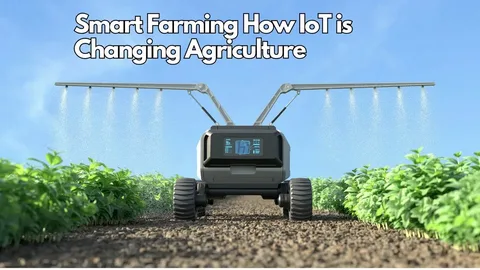
In recent years, smart agriculture has emerged as a transformative force in the global farming industry. This innovative approach harnesses the power of technology to improve productivity, reduce costs, and promote sustainability. But perhaps one of the most significant impacts of smart agriculture is its potential to empower small-scale farmers. As these farmers face a variety of challenges—such as limited access to resources, climate change, and fluctuating market prices—smart agriculture is providing the tools and knowledge needed to overcome these barriers. In this article, we will explore how smart agriculture is empowering small-scale farmers across the globe.
What is Smart Agriculture?
Smart agriculture refers to the use of advanced technologies such as the Internet of Things (IoT), artificial intelligence (AI), data analytics, drones, and sensors in farming practices. These technologies allow farmers to monitor, manage, and optimize various aspects of their farming operations, including crop health, irrigation, and soil conditions. By leveraging real-time data, farmers can make more informed decisions, increase efficiency, and enhance sustainability.
The Role of Technology in Empowering Small-Scale Farmers
1. Access to Real-Time Data
One of the key ways that smart agriculture is empowering small-scale farmers is through access to real-time data. Traditionally, small farmers have had limited resources to gather and analyze data about their crops and land. However, with the advent of affordable sensors, smartphones, and data platforms, farmers can now monitor soil moisture levels, weather patterns, and pest activity with ease.
This data-driven approach allows farmers to make better decisions about when to plant, irrigate, fertilize, or harvest crops. For example, IoT-based soil sensors can notify farmers when their crops need water, preventing over-irrigation and ensuring water is used efficiently—an essential factor in regions facing water scarcity.
2. Precision Agriculture Tools
Smart agriculture technologies offer precision tools that help small-scale farmers optimize their resources and increase yields. For instance, satellite imagery and drone technology allow farmers to closely monitor crop health, identify areas of disease or nutrient deficiency, and apply targeted treatments. By using these tools, farmers can reduce the amount of fertilizer and pesticide needed, thus lowering input costs and minimizing environmental harm.
Moreover, GPS-guided tractors and automated machinery help small farmers with planting and harvesting, reducing labor costs and increasing efficiency. These precision farming tools make it easier for small-scale farmers to compete with larger, more industrialized farms by improving both yield and sustainability.
3. Financial and Market Access
Smart agriculture also offers small-scale farmers better access to financial services and markets. Many small farmers struggle to secure loans or financing due to a lack of credit history or collateral. With digital platforms, farmers can showcase their productivity and reliability, allowing them to access microloans and insurance products tailored to their needs. These digital platforms can also connect farmers directly with buyers, eliminating intermediaries and ensuring better prices for their produce.
In addition, data analytics tools help farmers predict market trends and price fluctuations, enabling them to plan better and avoid financial risks. This transparency creates a more level playing field for small-scale farmers, helping them increase their profitability.
Smart Agriculture’s Impact on Sustainability
1. Sustainable Water Management
In many parts of the world, water scarcity is a critical issue for farmers. Smart agriculture technologies help address this challenge by optimizing water use. Irrigation systems powered by sensors can deliver water only when necessary, minimizing waste and ensuring that crops receive the right amount of hydration. This precision water management reduces the strain on local water resources while improving crop yields.
2. Reducing the Carbon Footprint
Smart agriculture also helps small-scale farmers reduce their carbon footprint. Technologies such as precision fertilizer application and automated machinery reduce the need for fuel and other resources. In addition, data-driven farming practices encourage the use of organic fertilizers and reduced pesticide use, both of which contribute to a healthier environment.
Farmers are also able to adopt sustainable farming practices more easily, such as crop rotation, agroforestry, and conservation tillage. These practices not only boost soil health but also mitigate the effects of climate change, such as soil erosion and reduced biodiversity.
Global Examples of Smart Agriculture Empowering Small-Scale Farmers
Case Study 1: Kenya – Digital Platforms for Smallholder Farmers
In Kenya, mobile-based applications like M-Farm and iCow are revolutionizing the way small-scale farmers operate. These platforms offer a range of services, from market information and weather forecasts to digital payment systems. By providing farmers with timely and accurate data, these platforms help farmers increase productivity and profitability while also reducing the impact of climate change.
Case Study 2: India – Precision Farming with Drones
In India, small-scale farmers are utilizing drone technology to monitor crop health and optimize pesticide application. Drones can cover large areas quickly, providing detailed images and insights that help farmers detect early signs of disease and pest infestations. By using drones, farmers reduce the amount of chemical input needed and increase crop yields, all while reducing costs and improving sustainability.
Conclusion: A Brighter Future for Small-Scale Farmers
The transformative power of smart agriculture is enabling small-scale farmers around the world to thrive in a rapidly changing agricultural landscape. By providing access to real-time data, precision farming tools, and financial services, smart agriculture is empowering farmers to make better decisions, reduce costs, and increase productivity. As the world faces mounting challenges related to climate change, population growth, and food security, smart agriculture offers a promising solution for creating more resilient, sustainable, and equitable farming systems.
