



Introduction
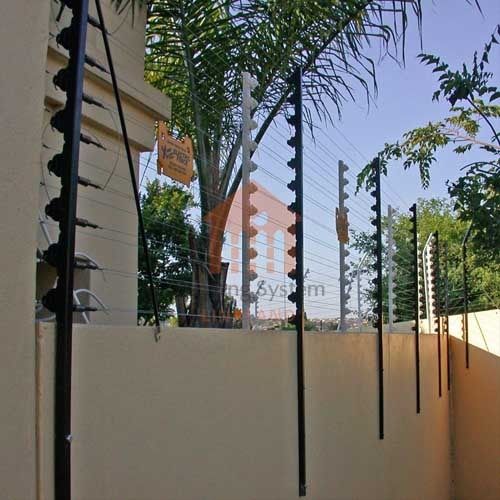
Securing a perimeter effectively often comes with the perception of high costs, especially for large industrial sites, farms, or critical infrastructure. However, sensor cable systems—such as acoustic cables, piezoelectric devices, and fiber optic lines—offer a cost-effective alternative to traditional security measures without compromising detection accuracy or reliability fence vibration sensor. By combining early warning capabilities, ease of installation, and minimal maintenance, sensor cables provide an efficient solution for budget-conscious security planning.
Why Sensor Cables Are Cost-Effective
Traditional perimeter security often relies on labor-intensive patrols, high-density cameras, or electrified fencing, which can be expensive to install and maintain. Sensor cable systems reduce costs in several ways:
- Lower Hardware Requirements: A single sensor cable can cover long sections of fencing, reducing the number of devices needed.
- Minimal Maintenance: Durable cables and resilient sensors require less frequent upkeep compared to mechanical or electronic alternatives.
- Integration Potential: Sensor cables can be linked to existing alarm systems, cameras, or lighting infrastructure, avoiding the need for entirely new systems.
- Long Lifespan: Properly installed and calibrated sensor cables can provide years of reliable operation, maximizing return on investment.
Strategic Installation for Maximum Value
- Target High-Risk Areas: Focus sensor cables on entrances, corners, or vulnerable sections of fencing where intrusions are most likely.
- Zoning for Efficiency: Divide the perimeter into zones monitored by individual sensor segments. This allows precise detection while reducing unnecessary hardware coverage.
- Multi-Layer Integration: Combine sensor cables with existing cameras or lighting to enhance detection and verification without adding significant cost.
Optimizing Performance Without Overspending
- Proper Mounting and Tensioning: Correct installation ensures sensors operate at peak sensitivity, reducing false alarms and unnecessary operational costs.
- Calibration: Fine-tuning thresholds ensures the system only responds to genuine intrusions, preventing resource waste on false alerts.
- Regular Monitoring: Routine inspection of cables and sensors avoids costly repairs caused by neglect or unnoticed damage.
Advantages of Sensor Cable-Based Perimeter Security
- Early Intrusion Detection: Detects climbing, cutting, or tampering attempts before a breach occurs.
- Scalable Solutions: Suitable for small properties or extensive perimeters, with easy expansion as security needs grow.
- Reduced Operational Costs: Fewer personnel and less energy consumption are required compared to fully manned or heavily electrified systems.
- Reliable Performance: High sensitivity ensures threats are detected accurately, even under environmental challenges like wind or rain.
Applications
- Industrial Facilities: Warehouses and storage yards can secure valuable assets without high installation costs.
- Agricultural Perimeters: Farms can protect livestock and equipment efficiently using long-range sensor cables.
- Commercial Sites: Businesses benefit from scalable, low-maintenance perimeter protection for both outdoor and semi-enclosed areas.
- Critical Infrastructure: Sensor cables provide reliable, cost-effective coverage for substations, communication hubs, and other essential facilities.
Conclusion
Sensor cables represent a cost-effective approach to perimeter security, delivering high-performance detection without the expense associated with traditional methods. By strategically installing, calibrating, and integrating these sensors, organizations can achieve robust perimeter protection while minimizing operational and maintenance costs. The affordable barrier offered by sensor cable systems proves that effective security does not have to come with prohibitive expense, making high-sensitivity intrusion detection accessible to a wide range of facilities and budgets.
