



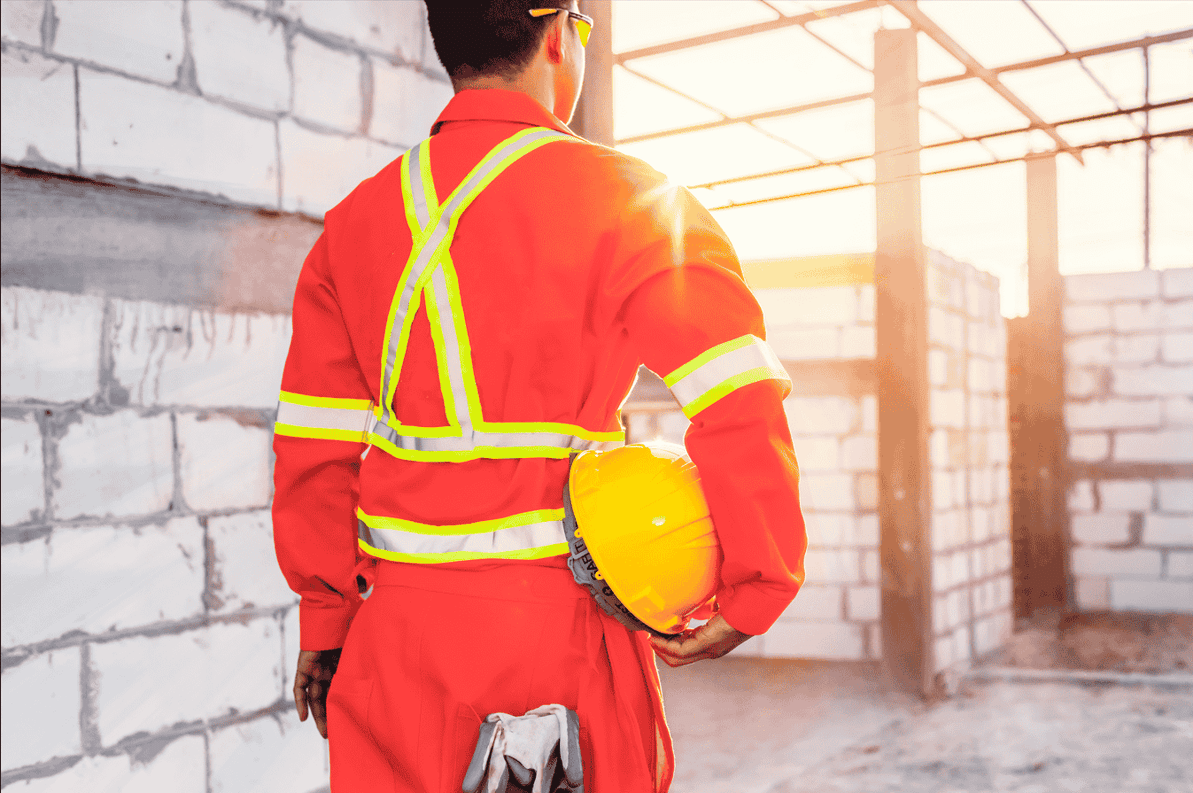
Staying visible is non-negotiable in construction, roadwork, utilities, and logistics, but modern crews also need clothing that helps them stay comfortable through long shifts. This is where moisture-wicking hi vis dry fit shirts are becoming the preferred choice. They combine high-visibility protection with performance fabrics that dry quickly, breathe well, and help workers stay focused on the task at hand.
Visibility and Comfort Need to Work Together
Traditional high-visibility shirts have always served one purpose: helping workers stand out in low-light or high-hazard environments. While they succeed in visibility, they often fall short when it comes to all-day comfort. Cotton-based safety shirts can trap heat, stay damp for hours, and feel heavy by midday, especially during hot or humid seasons.
Dry-fit performance fabrics solve this problem by drawing sweat away from the skin and allowing it to evaporate rapidly. This keeps the shirt lighter, drier, and less likely to cause irritation. For workers who are constantly moving, bending, and lifting, the difference in comfort is noticeable within minutes.
A Better Choice for High-Activity Job Roles
Some crews simply can’t avoid high-movement tasks or changing weather conditions. Construction teams often shift between indoor and outdoor work, climb ladders, carry materials, and operate machinery. Roadwork crews spend hours under direct sunlight, surrounded by radiant heat from asphalt. Logistics and transportation staff handle loading, unloading, and long stints in warehouses.
In all these environments, breathable synthetic shirts help manage airflow and moisture more effectively. They support mobility without the sagging or sticking that comes from sweat-soaked cotton layers. When workers feel less restricted, productivity typically improves, and the overall safety mindset stays sharper.
Moisture Management and Heat Control
Heat stress is a growing concern across all industrial sectors. Long shifts, protective equipment, and outdoor work increase the risk of fatigue and dehydration. Performance safety shirts are designed to help manage this risk by encouraging faster cooling. The fabric allows heat to escape while keeping the skin dry, helping workers feel more balanced through changing temperatures.
Dry-fit materials reduce the heavy, damp feeling that often leads to distraction or discomfort. Workers can move confidently knowing their shirt won’t cling, irritate, or pull as it gets wet. Even during physically demanding tasks, the material maintains its shape and performance.
Durability Built for Tough Conditions
Safety apparel must withstand tough treatment—repeated washing, exposure to dirt and debris, and heavy daily use. Dry-fit hi-vis shirts are built using strong synthetic fibers that hold color well, resist tearing, and maintain their shape. Reflective tape is also engineered to stay effective even after multiple wash cycles.
Because they dry quickly, the shirts are ready for the next day’s shift without holding odors or moisture. This makes them a practical choice for teams who need durable gear that can handle demanding schedules.
Compliance Without Compromise
Meeting ANSI/ISEA visibility requirements is essential for workers around moving vehicles, machinery, or low-light environments. But compliance shouldn’t mean sacrificing comfort. When safety gear feels restrictive, workers may roll up sleeves, leave shirts unbuttoned, or remove layers entirely—reducing the protection they need.
Performance safety shirts keep compliance simple. Their lightweight feel and moisture-managing design mean crews are far more likely to keep them on throughout the workday. The result is better visibility, consistent protection, and fewer adjustments needed on the job.
Choosing the Right Performance Hi-Vis Work Shirt
Not all high-visibility shirts use the same materials or construction. Supervisors should look for features such as reinforced stitching, breathable mesh panels, long-lasting reflective tape, and ANSI-rated color standards. Shirts designed for industrial use typically offer a balanced fit—not too loose, not too restrictive—to support natural movement during physically intensive tasks.
It’s also helpful to consider seasonal needs. Short-sleeve dry-fit shirts are ideal for summer, while long-sleeve versions pair well with outerwear during cooler months. Investing in performance fabrics can significantly improve worker comfort, which in turn supports better safety awareness.
Final Thoughts
Hi-vis shirts have one purpose at their core—keeping workers visible—but performance fabrics now make it possible to stay safe without sacrificing comfort. Moisture-wicking materials help crews stay dry, focused, and steady through demanding shifts in construction, logistics, and utility work. To explore professional-grade options designed for tough job sites, teams can visit National Safety Gear for more information and product choices.
