


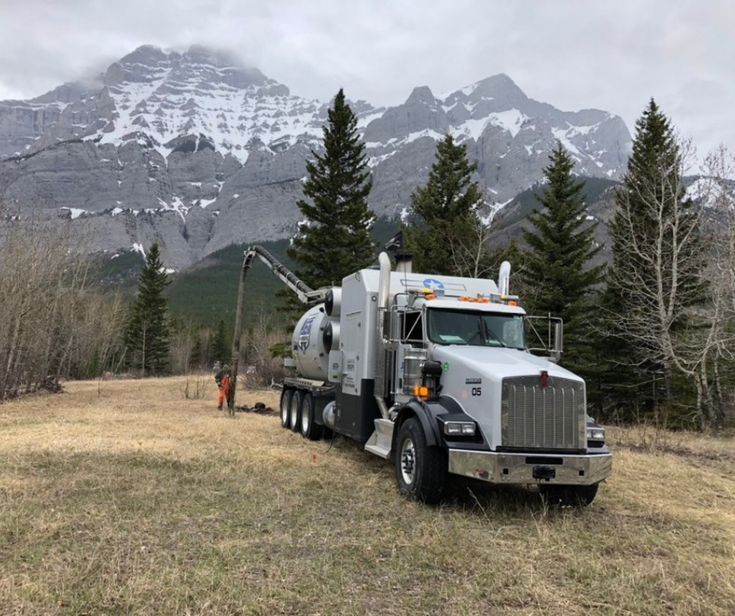
Excavation is an essential component of construction, utility installation, and infrastructure maintenance. However, traditional digging methods carry significant risks, including damage to underground utilities, soil collapse, and worker injury. Non-Destructive Digging (NDD), enabled by hydrovac technology, has emerged as a safer, more precise alternative. By combining high-pressure water with powerful vacuum systems, hydrovac excavation companies allow contractors to excavate with minimal risk and maximum efficiency.
Contents
ToggleWhat Is Non-Destructive Digging?
Non-Destructive Digging (NDD) refers to excavation methods that avoid harming underground utilities and surrounding structures. Unlike mechanical digging with backhoes or shovels, NDD is designed to excavate soil precisely without causing damage, making it ideal for sensitive areas or urban environments. Hydrovac technology is the most common form of NDD, utilizing water to loosen soil and vacuum systems to remove debris safely.
How Hydrovac Technology Works
Hydrovac excavation combines two main functions:
-
High-Pressure Water: Softens or liquefies soil without applying excessive force, allowing for gentle excavation.
-
Industrial Vacuum: Suction systems remove soil, gravel, and debris efficiently, depositing it into a tank for safe disposal.
This method allows operators to expose underground pipes, cables, and other utilities without the risk of punctures or breaks that could cause service interruptions, environmental hazards, or costly repairs.
Advantages of Using Hydrovac for NDD
1. Enhanced Safety
-
Reduces the risk of accidental strikes on gas lines, electrical conduits, and water mains.
-
Minimizes physical strain on workers and reduces the likelihood of excavation-related injuries.
-
Less soil disruption lowers the chance of collapses or cave-ins.
2. Precision and Accuracy
-
Hydrovac trucks can dig around delicate utilities, maintaining structural integrity.
-
Ideal for congested urban areas or construction sites with dense underground infrastructure.
3. Time and Cost Efficiency
-
Faster excavation compared to manual digging in sensitive areas.
-
Reduces repair costs by preventing damage to utilities.
-
Minimizes downtime for utility services and construction schedules.
4. Environmental Benefits
-
Less invasive than traditional digging, preserving surrounding landscaping and ecosystems.
-
Reduces soil displacement, erosion, and sediment contamination in nearby water systems.
5. Versatility
-
Applicable for potholing, daylighting, trenching, debris removal, and emergency excavation.
-
Effective in various soil types, including frozen ground, clay, and sand.
Applications Across Industries
Utility and Infrastructure Maintenance
-
Exposing underground gas, water, or telecommunications lines without disruption.
-
Ideal for repairs, upgrades, and inspections.
Construction Projects
-
Excavating precise footings, foundations, or drainage systems.
-
Avoiding damage to surrounding structures and hardscapes.
Municipal and Environmental Projects
-
Emergency repairs after storms or flooding.
-
Environmental remediation where soil disturbance must be minimized.
Best Practices for Safe Hydrovac Excavation
-
Pre-Excavation Assessment: Identify all underground utilities and soil conditions before digging.
-
Trained Operators: Ensure technicians are certified and experienced in hydrovac operation.
-
Site Safety Measures: Mark excavation zones clearly and implement barriers where necessary.
-
Regular Equipment Maintenance: Keep water pumps, vacuum systems, and debris tanks in optimal condition.
-
Monitor Soil Conditions: Adjust water pressure and suction according to soil type to maintain precision.
Conclusion
Hydrovac technology has revolutionized Non-Destructive Digging by providing a safe, precise, and efficient method for excavating around sensitive underground utilities. Its combination of high-pressure water and industrial vacuum systems allows for minimal disruption, reduced risk, and greater operational efficiency. By prioritizing safety through hydrovac-assisted NDD, contractors, municipalities, and utility providers can protect workers, preserve infrastructure, and ensure projects are completed on time and within budget.
