




How Systematic Cleaning Practices Protect Air Quality, Reduce Stress, and Enhance Daily Wellness
We often think of our homes as safe sanctuaries—places where we can unwind, recharge, and shield ourselves from external environmental stressors. However, modern living spaces are tighter and more insulated than ever before. While this architecture improves energy efficiency, it also traps dust, chemical residue, biological allergens, and airborne pollutants inside living areas. Without a consistent cleaning regimen, indoor air quality can deteriorate rapidly, affecting respiratory health, sleep patterns, and overall well-being.
Creating a truly healthy indoor space goes far beyond superficial organizing or quickly wiping down kitchen counters. It demands a thoughtful, systematic approach to housekeeping that targets hidden pollutant reservoirs, prevents microbial buildup, and maintains pristine hygiene across every room.
Understanding the Hidden Environmental Load in Modern Homes
Every household accumulates an invisible load of microscopic particulate matter. Everyday human activities, combined with natural shedding from pets and environmental tracking from shoes, continuously introduce foreign elements into indoor spaces:
- Dust Mites and Shed Skin Cells: Microscopic dust mites thrive in soft surfaces such as mattresses, rugs, and upholstered furniture. They feed primarily on shed human skin flakes, and their waste products represent one of the primary triggers for indoor allergies and childhood asthma.
- Pet Dander and Biological Micro-Particles: Even non-shedding pets contribute proteins via skin flakes and saliva that settle onto carpets and drapery, lingering for months unless actively removed.
- Volatile Organic Compounds (VOCs) and Dust Suspensions: Household dust acts as a magnet for flame retardants, airborne cooking oils, and residue from conventional aerosol sprays. When kicked up into the air, these particles are inhaled repeatedly.
- Mold Spores and Moisture Reservoirs: Bathrooms, laundry facilities, and kitchen sink surrounds often trap humidity, creating ideal breeding grounds for mildew and fungal spores that circulate through heating and cooling vents.
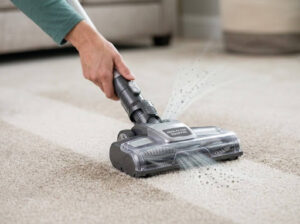 When left unmanaged, this accumulated load places continuous stress on the human immune system. Symptoms like morning congestion, persistent dry coughs, eye irritation, or chronic afternoon fatigue can often be traced directly to poor indoor hygiene.
The Core Pillars of a Health-Focused Cleaning Routine
Transforming a residence into a health-promoting sanctuary requires focusing on key maintenance pillars designed to minimize biological irritants and physical contaminants.
Maintenance Focus Area Target Pollutants & Hazards Recommended Frequency Primary Health Benefit Floor & Fabric Extraction Deep-seated dust, pet dander, micro-debris Weekly (HEPA Vacuuming) Reduces allergen recirculating via foot traffic High-Touch Disinfection Pathogens, bacteria, viruses 2–3 Times Weekly Prevents surface-to-hand cross-contamination Grout & Moisture Defense Mold spores, mildew, soap scum buildup Weekly to Bi-Weekly Protects respiratory pathways from fungal toxins Air Filter & Vent Dusting Suspended particulate matter (PM2.5) Monthly Ensures clean airflow throughout the home 1. High-Efficiency Particulate Air (HEPA) Filtration
Standard vacuums often exhaust micro-dust back into room air. Utilizing equipment equipped with certified HEPA filtration ensures that up to 99.97% of particles down to 0.3 microns—including fine pollen and mite debris—are permanently trapped rather than redistributed.
2. Microfiber Technology for Dust Capture
Traditional feather dusters merely scatter settling particles into the air column. Microfiber cloths possess a microscopic split-fiber matrix that creates an electrostatic charge, lifting and locking in dust particles cleanly without requiring heavy synthetic chemical sprays.
3. Non-Toxic, Eco-Friendly Cleaning Chemistry
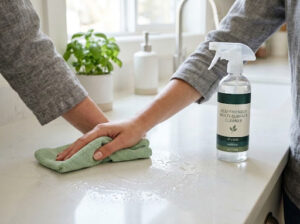
A key aspect of a healthy home is ensuring that the products used to clean do not introduce new chemical hazards. Utilizing non-toxic, eco-friendly cleaning agents ensures that surfaces remain free of harsh fumes, residue, and artificial synthetic fragrances that irritate sensitive airways.
The Psychological Connection: Cleanliness and Mental Well-Being
The physiological impact of regular housekeeping is matched by its profound psychological benefits. Physical environments directly influence cognitive processing and stress levels:
- Lower Cortisol Levels: Studies consistently demonstrate that visual clutter and unorganized surroundings trigger elevated levels of cortisol, the human stress hormone. A organized, clean space signals safety and control to the nervous system.
- Enhanced Rest and Sleep Quality: Clean bedrooms—characterized by fresh linens, dust-free nightstands, and clear flooring—promote deeper, uninterrupted sleep cycles free of nighttime congestion.
- Increased Daily Focus and Productivity: An orderly living environment minimizes visual distractions, allowing individuals working or studying from home to sustain concentration and mental clarity throughout the day.

Balancing Daily Schedules with Professional Housekeeping
Maintaining a pristine home environment requires substantial time, energy, and specialized equipment. For busy professionals, growing families, or individuals managing demanding schedules, keeping up with deep cleaning tasks alongside weekly upkeep can become overwhelming.
In many cases, partnering with experienced local cleaning professionals provides the structure needed to maintain high environmental standards without sacrificing valuable weekend time. Professional teams bring industrial-grade equipment, specialized stain extraction tools, and systematic checklists designed to sanitize hard-to-reach areas that regular home care often misses.
For households located in Macomb County seeking comprehensive house maintenance, scheduling expert Cleaning services in Chesterfield, MI offers tailored solutions—from routine maintenance to thorough deep cleans that eradicate built-up grime.
Similarly, homeowners and renters across Oakland County looking to protect their indoor air quality can benefit significantly from dedicated Cleaning services in Farmington Hills, MI. Local experts utilize advanced techniques such as hot-water carpet extraction and non-toxic surface treatments to ensure every living zone remains free from hidden contaminants.
Simple Daily Habits for Sustained Cleanliness
While comprehensive weekly cleanings address deep-seated dirt, introducing small, intentional daily habits prevents clutter and dust from overwhelming your home:
- Implement a No-Shoes Indoors Policy: Up to 85% of dirt, lawn chemicals, and street bacteria enter the home on the soles of footwear. Placing a dedicated shoe rack near entryways dramatically reduces floor contamination.
- Manage Daily Humidity: Run exhaust fans during and for 20 minutes after showers or cooking sessions to prevent excess moisture from encouraging mold growth.
- Wipe Down High-Touch Surfaces Daily: Door handles, cabinet pulls, smartphone screens, and light switches collect skin oils and bacteria rapidly. A quick end-of-day wipe prevents germ transmission.
- Keep Countertops Clear: Minimizing appliances and decorative items stored directly on kitchen and bathroom counters makes daily sanitizing quick and effort-free.
Conclusion: Investing in Your Home’s Health
Regular housekeeping is not merely an aesthetic choice or a domestic chore—it is an active investment in personal health, family comfort, and long-term quality of life. By understanding the sources of indoor pollutants and establishing a consistent cleaning routine, you transform your living environment into a true haven of health, clarity, and relaxation.
Whether managed through disciplined personal habits or supported by trusted professional services, prioritizing clean surfaces and pure indoor air ensures your home remains a safe place to thrive.
